
Smart Irrigation Systems for Brisbane Gardens: Save Water, Time, and Money
April 1, 2026 8:30 am -Are you tired of dragging hoses around your Brisbane garden every evening? Watching your water bill climb during summer? Or coming home to wilted plants because you forgot to water? You’re not alone. For many Queensland homeowners, watering is one of the most time-consuming and frustrating aspects of garden maintenance.
The good news is that modern irrigation technology has evolved dramatically in recent years. Smart irrigation systems can now automatically adjust watering schedules based on weather conditions, soil moisture levels, and even your specific plant needs. The result? Healthier plants, dramatically lower water bills, and the freedom to enjoy your garden rather than constantly maintaining it.
In this comprehensive guide, we’ll explore everything you need to know about smart irrigation systems for Southeast Queensland gardens. Whether you’re considering a complete system installation or upgrading your existing setup, you’ll discover how the right irrigation solution can transform your gardening experience while being kinder to both your wallet and the environment.
Why Smart Irrigation Makes Sense for Brisbane Gardens
Southeast Queensland’s subtropical climate presents unique challenges for gardeners. Our hot, humid summers combined with occasional water restrictions and unpredictable rainfall patterns mean that efficient water management isn’t just convenient—it’s essential.
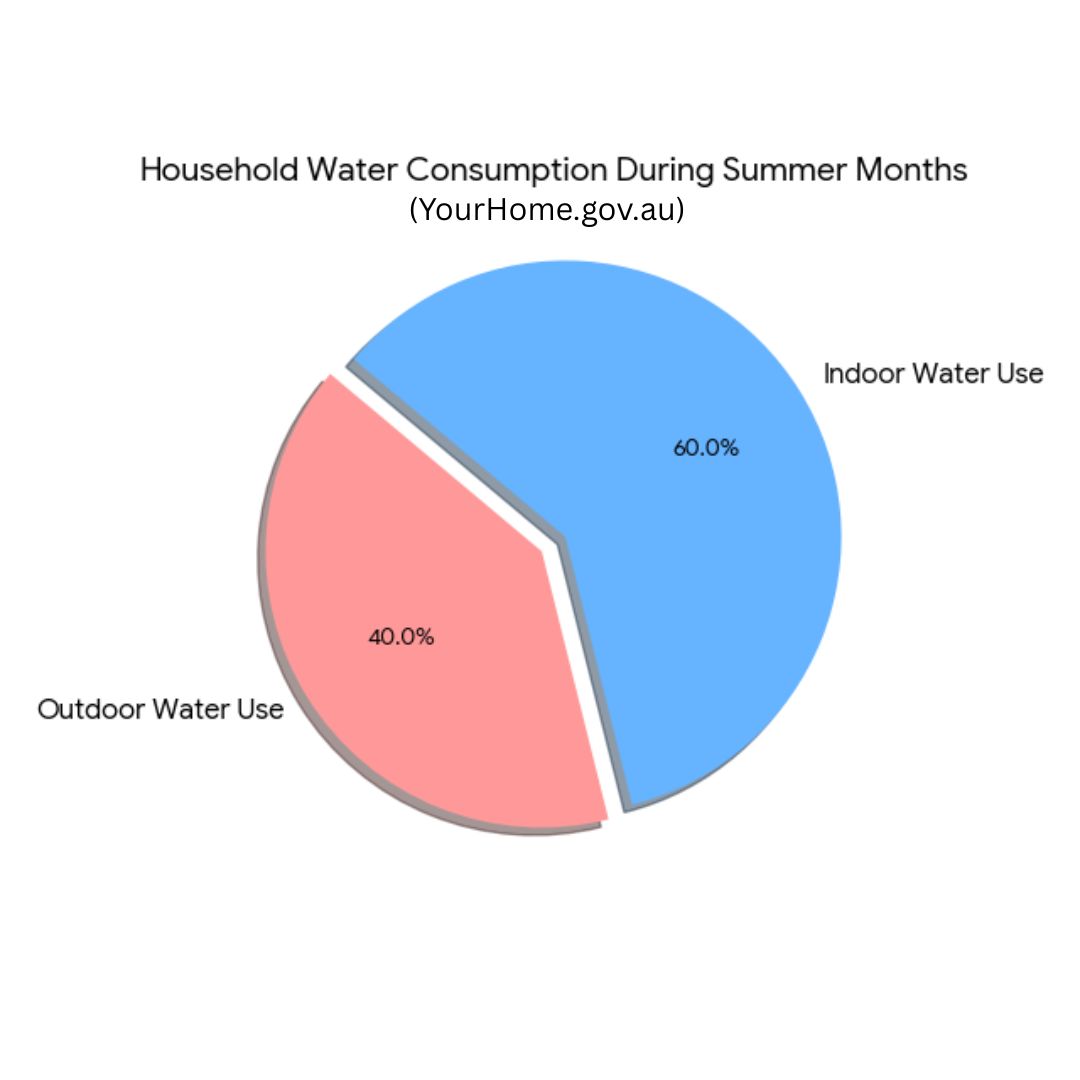
According to Australian Government data, outdoor water use typically accounts for around 40% of household water consumption, though this can be significantly higher for properties with large gardens or pools in subtropical climates. (YourHome.gov.au, n.d.) Much of this water is wasted through inefficient watering practices like over-watering, watering at the wrong times, or applying water where it’s not needed. Smart irrigation systems address all of these issues automatically.
The Real Cost of Manual Watering
Before we dive into smart irrigation solutions, let’s consider what manual watering really costs Brisbane homeowners:
- Time: 15-30 minutes daily = 90-180 hours per year spent watering
- Water waste: Up to 50% of manually applied water is lost to evaporation, runoff, or poor distribution
- Inconsistency: Plants suffer from irregular watering schedules, especially when you’re away or busy
- Missed opportunities: Can’t take advantage of optimal watering times (early morning) without setting alarms
- Higher bills: Inefficient water application means paying for water that never reaches plant roots
Types of Irrigation Systems for Brisbane Gardens
Not all irrigation systems are created equal. The right choice depends on your garden layout, plant types, soil conditions, and budget. Let’s explore the main options available to Brisbane homeowners.
Drip Irrigation Systems
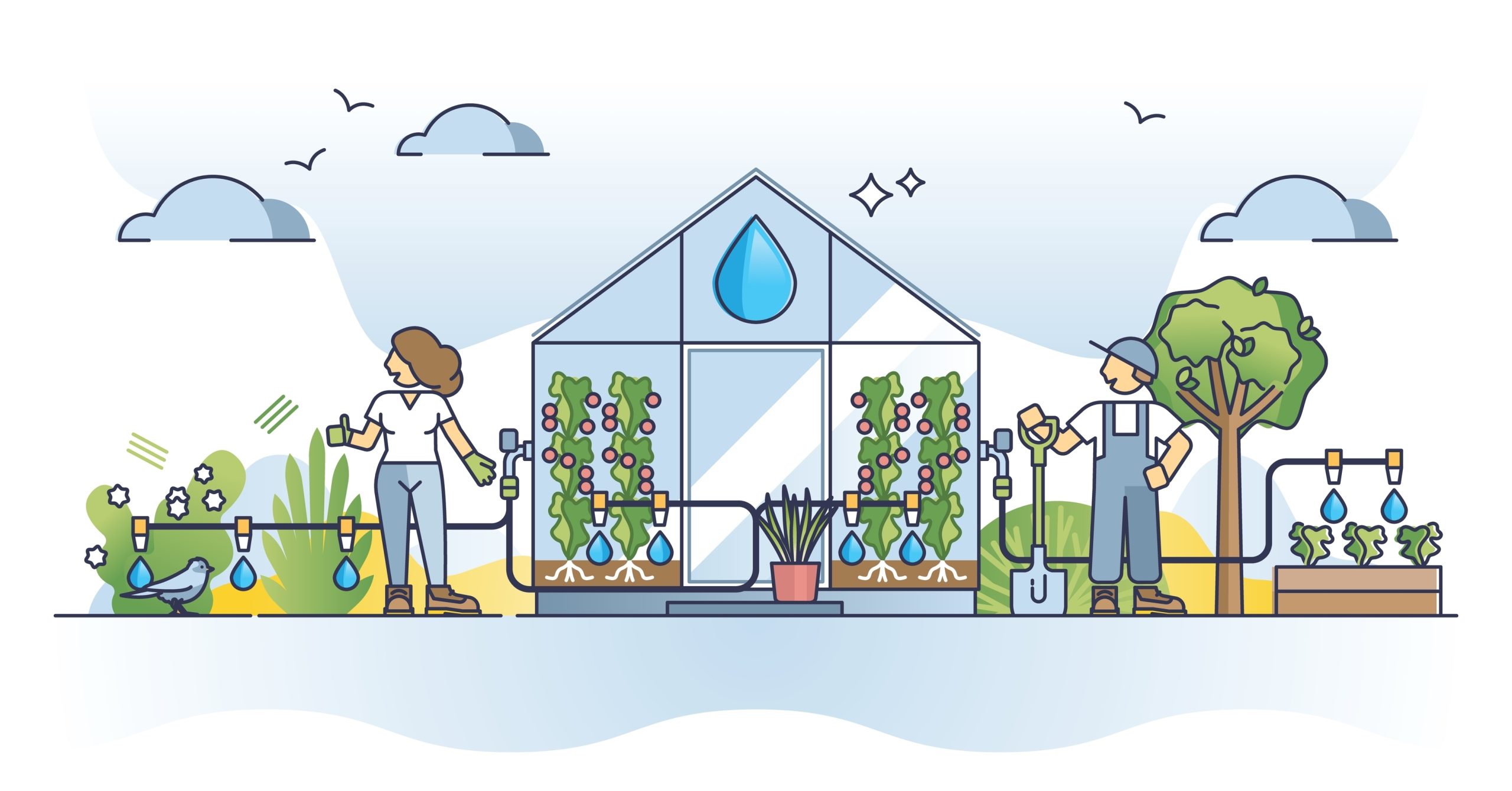
Drip irrigation is the gold standard for water efficiency. This system delivers water directly to plant roots through a network of tubes, emitters, and drippers. For Brisbane gardens, especially those with native plants or established garden beds, drip irrigation offers unmatched precision.
Benefits:
- Up to 90% water efficiency (compared to 65% for sprinklers)
- Reduces weed growth by only watering intended plants
- Minimises fungal diseases by keeping foliage dry
- Works perfectly with mulched garden beds
- Ideal for irregular garden shapes and raised beds
Drip systems work exceptionally well with the low-maintenance garden designs that have become increasingly popular in Brisbane. If you’ve already created a low-maintenance landscape (or are considering one), drip irrigation is the perfect companion to minimise ongoing garden care while keeping your plants thriving.
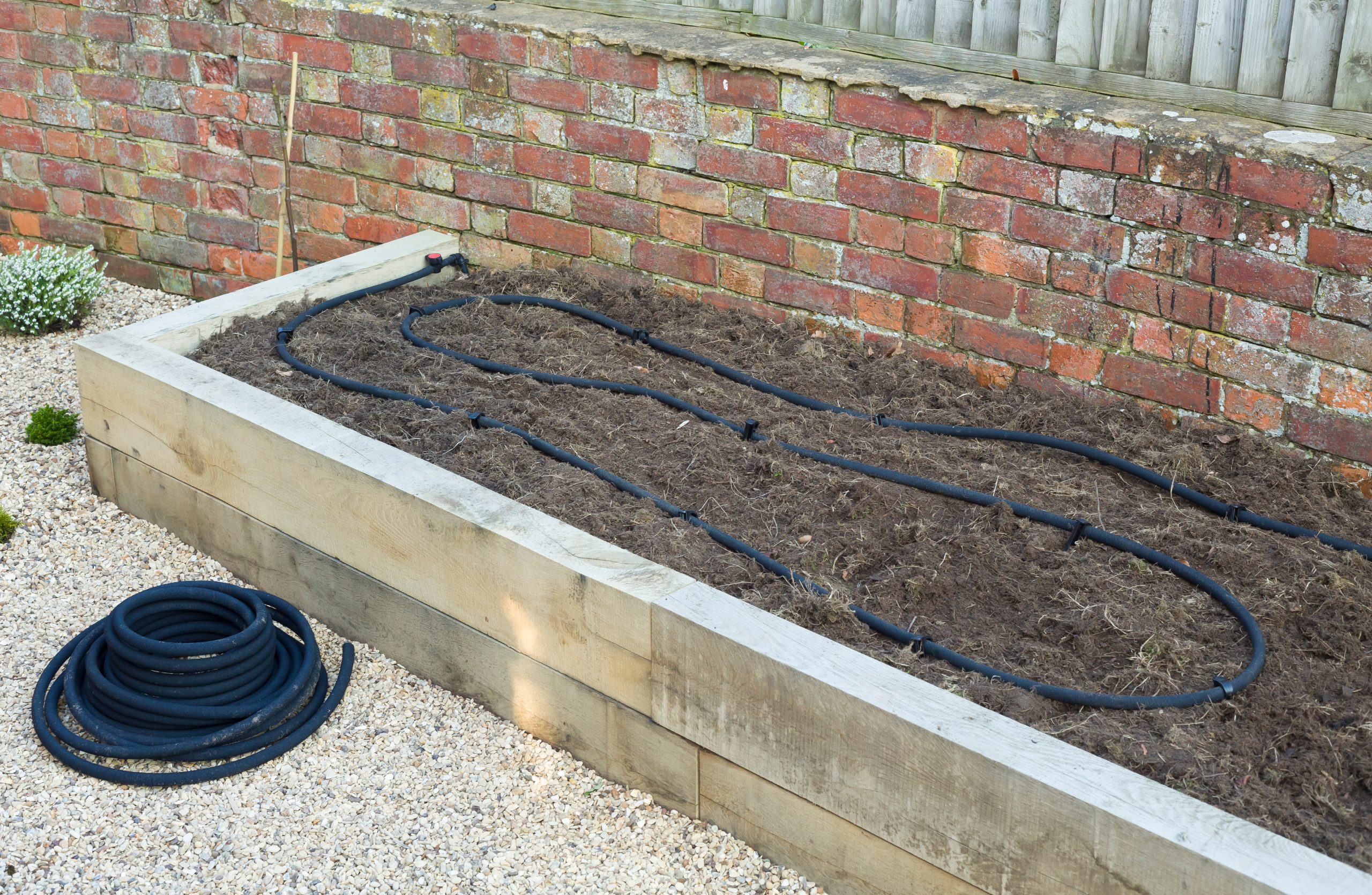
Soaker Hoses
Soaker hoses are a more budget-friendly option that delivers water along their entire length through tiny pores. They’re excellent for vegetable gardens, flower beds, and foundation plantings.
Best for:
- Straight garden rows and rectangular beds
- Temporary or seasonal gardens
- Budget-conscious homeowners testing automated irrigation
- Vegetable patches and herb gardens
Pop-Up Sprinkler Systems
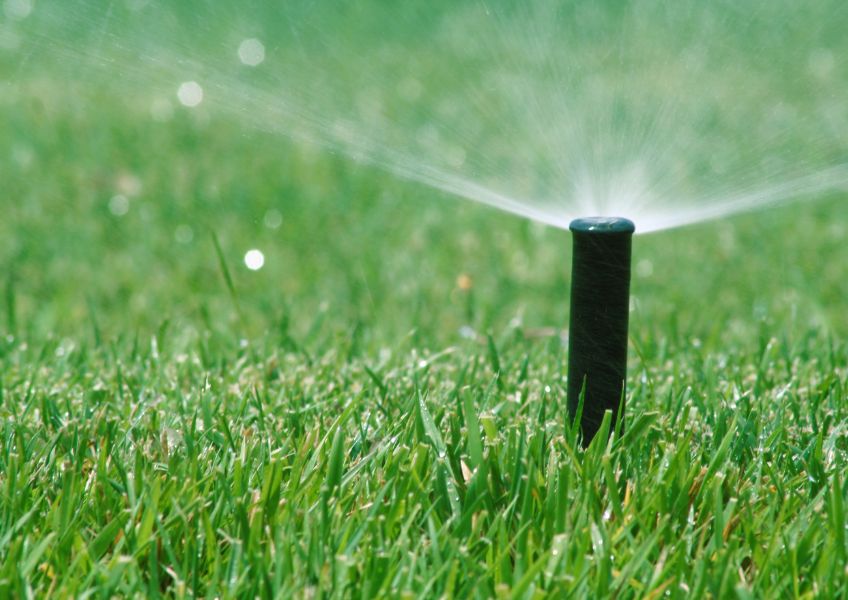
Pop-up sprinklers remain the preferred choice for lawn irrigation. When properly designed and installed, they provide even coverage across large turf areas. Modern pop-up systems can be highly efficient when paired with smart controllers and properly zoned.
Ideal applications:
- Lawn areas (especially when combined with water-efficient turf varieties)
- Large open garden areas
- Sports and play areas
- Commercial properties with extensive grounds
If you’re planning to install or upgrade your lawn, pairing the right turf variety with an efficient sprinkler system is crucial. Different Queensland turf types have varying water requirements, so matching your irrigation design to your grass selection ensures optimal results.
Micro-Spray Systems
Micro-sprays bridge the gap between drip irrigation and traditional sprinklers. They deliver a fine mist or gentle spray over a small area, making them perfect for specific garden zones.
Perfect for:
- Ground covers and low-growing plants
- Dense shrub plantings
- Container gardens and pots
- Cooling patios and outdoor entertaining areas on hot days
Smart Controllers: The Brain of Your System
What transforms a traditional irrigation system into a ‘smart’ one? The controller. Modern smart irrigation controllers use real-time data to make intelligent watering decisions, adjusting schedules automatically based on weather conditions, soil moisture, and plant needs.
Weather-Based Controllers
These controllers connect to local weather stations or internet weather services to adjust watering schedules. If rain is forecast or has recently fallen, the system automatically delays or skips watering cycles. For Brisbane’s unpredictable spring and summer storms, this feature alone can save thousands of litres annually.
Soil Moisture Sensors
For even greater precision, soil moisture sensors measure the actual water content in your soil. The system only waters when moisture levels drop below optimal thresholds. This is particularly valuable in Brisbane’s clay-heavy soils, which can hold moisture longer than sandy soils but also have poor drainage when overwatered.
Speaking of clay soils, if your Brisbane garden struggles with heavy clay (as many local properties do), addressing underlying drainage issues is crucial before installing an irrigation system. Poor drainage combined with automatic watering can actually harm plants by creating waterlogged conditions. Understanding your soil type and implementing appropriate improvements ensures your irrigation investment delivers optimal results.
Smartphone-Controlled Systems
Modern smart controllers offer app-based control, giving you complete oversight of your irrigation system from anywhere. Whether you’re at work, on holiday, or simply inside during a sudden downpour, you can adjust watering schedules, manually trigger or stop zones, and monitor water usage in real-time.
App features typically include:
- Remote on/off control for individual zones
- Water usage tracking and reports
- Seasonal watering schedule adjustments
- Notifications for system issues or skipped cycles
- Integration with smart home systems like Google Home or Amazon Alexa

Designing Your Irrigation System: Zone Planning
One of the most critical aspects of irrigation system design is proper zoning. Different areas of your garden have different water requirements, and grouping plants with similar needs ensures every plant gets exactly what it requires—no more, no less.
The Concept of Hydrozoning
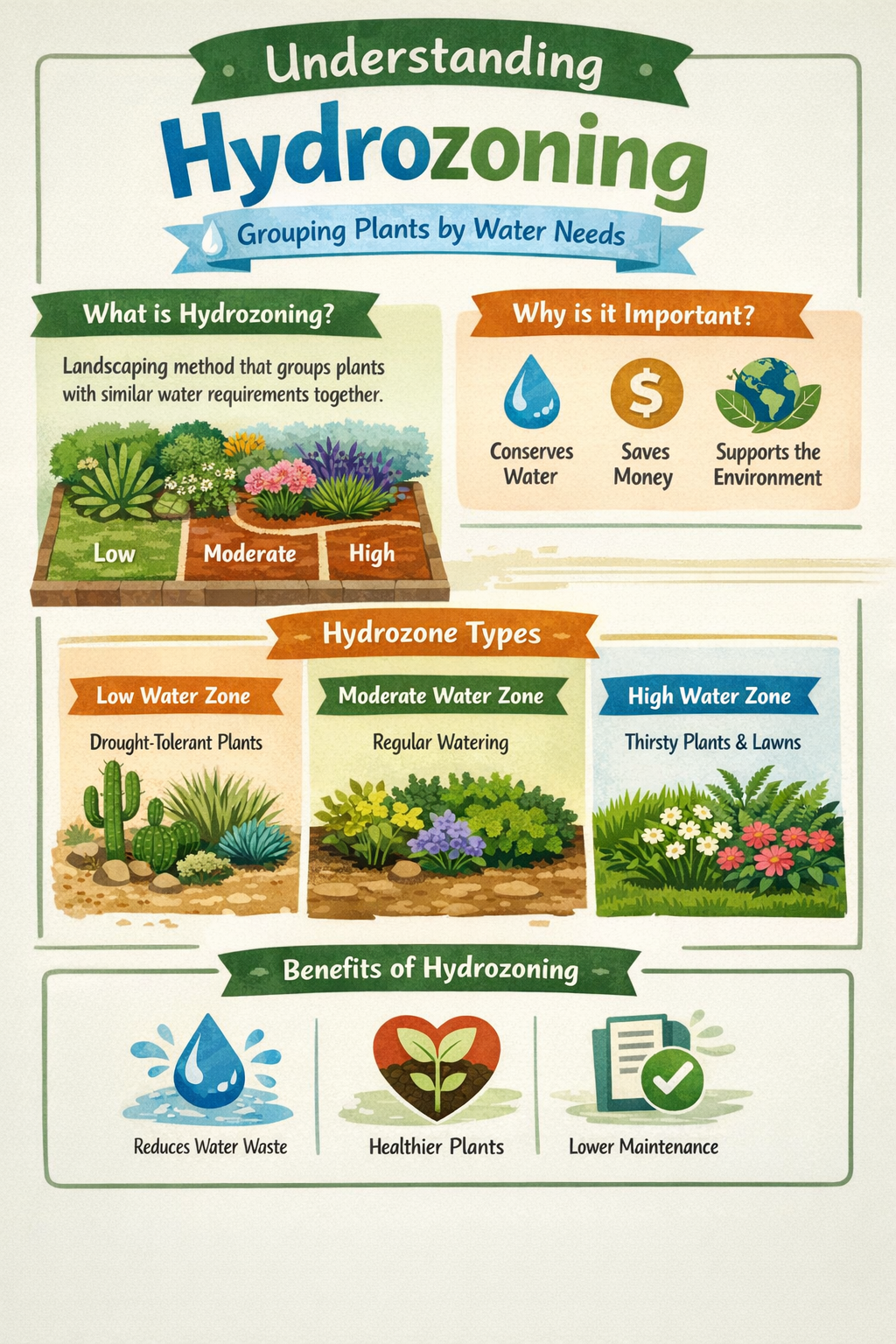
Hydrozoning is the practice of grouping plants with similar water needs together on the same irrigation zone. This professional landscaping technique has become a cornerstone of water-wise garden design in Brisbane.
Typical zones in a Brisbane garden might include:
- High-water zone: Vegetable gardens, annual flower beds, new plantings
- Moderate-water zone: Established perennials, lawn areas, mixed garden beds
- Low-water zone: Native plants, drought-tolerant species, established trees and shrubs
- Very low or no irrigation: Dry creek beds, mulched areas, hardscaping features
Professional landscape designers factor hydrozoning into their initial garden plans, ensuring that irrigation efficiency is built into the landscape from the start. When planning a new garden or renovating an existing one, discussing irrigation needs with your landscaper during the design phase—rather than as an afterthought—results in a more efficient and cost-effective system.
Considering Microclimates
Brisbane gardens often contain multiple microclimates—areas that are significantly hotter, shadier, windier, or more protected than the rest of the property. Your irrigation system should account for these variations:
- Full sun areas dry out faster and need more frequent watering
- Shaded zones retain moisture longer and require less irrigation
- Windy spots lose moisture to evaporation more quickly
- Sloped areas may need shorter, more frequent cycles to prevent runoff
- Areas near walls or under eaves may be sheltered from rain and need supplemental irrigation
Installation: DIY vs. Professional
Once you’ve decided on an irrigation system, the next question is whether to install it yourself or hire professionals. The answer depends on your technical skills, available time, system complexity, and budget.
DIY Irrigation Installation
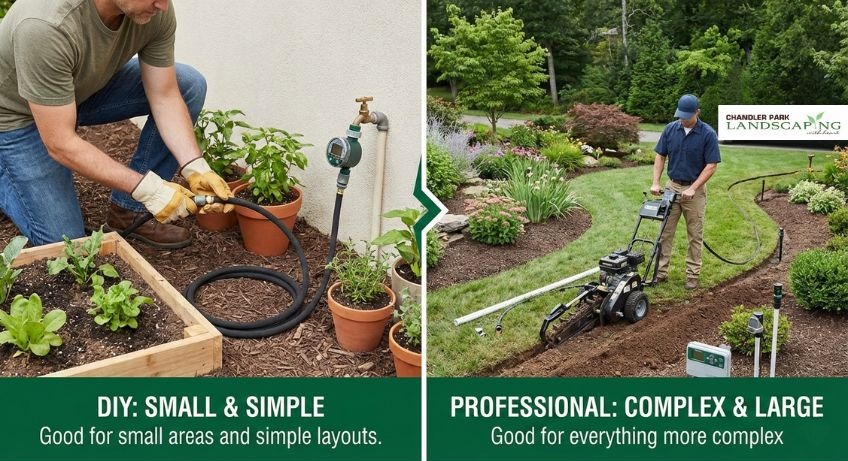
Simple drip irrigation systems and soaker hoses are well within the capabilities of confident DIYers. Basic kits are available at hardware stores, and online tutorials provide step-by-step guidance.
Good candidates for DIY:
- Single garden bed or vegetable patch
- Above-ground drip systems with timer-controlled tap connections
- Simple soaker hose layouts
- Upgrading an existing system with smart controllers
Challenges to consider:
- Calculating water pressure and flow rates correctly
- Ensuring proper emitter spacing and coverage
- Protecting pipes from UV damage and lawn maintenance equipment
- Time investment for planning, purchasing, and installation
Professional Installation
For comprehensive irrigation systems, especially those involving underground pipes, multiple zones, or integration with existing landscaping, professional installation is strongly recommended. Experienced installers bring technical expertise, proper equipment, and warranties that protect your investment.
Situations that call for professionals:
- Whole-garden irrigation systems with multiple zones
- Underground pipe installation (trenching, boring, backfilling)
- Pop-up sprinkler systems for lawns
- Integration with water mains or pressure systems
- Complex controller programming and system optimisation
- Properties with difficult terrain, slopes, or large areas
Professional installers also ensure compliance with Brisbane City Council regulations, proper backflow prevention, and optimal placement that won’t interfere with future landscaping changes. They can also coordinate installation with other garden projects, ensuring your irrigation system complements features like paving, retaining walls, and garden beds rather than conflicting with them.
Water Savings and ROI: The Numbers That Matter
Smart irrigation systems require an upfront investment, but the long-term savings in water costs, time, and plant health make them highly cost-effective for most Brisbane homeowners.
Expected Water Savings
Research on smart irrigation systems demonstrates that properly designed and maintained systems can reduce outdoor water use by 30-50% compared to manual watering methods (Farm Management System, 2020). For an average Brisbane household using approximately 160 kilolitres annually, with around 64 kilolitres dedicated to outdoor purposes, smart irrigation could save 19-32 kilolitres per year. At current Urban Utilities rates (as of March 2026) of approximately $4.40 per kilolitre (including state bulk water and distributor charges), this translates to annual savings of $84-$141 in water usage costs, not including the considerable time savings and improved plant health.
The Hidden Benefits
Beyond direct water savings, smart irrigation systems provide additional value:
- Healthier plants: Consistent, appropriate watering reduces plant stress and disease
- Increased property value: Professional landscaping with irrigation appeals to buyers
- Reduced plant replacement costs: Fewer plants die from under- or over-watering
- Peace of mind: No more worrying about plants while travelling
- Environmental benefits: Reduced water consumption helps preserve this precious resource

Maintenance and Troubleshooting
Even the best irrigation systems require periodic maintenance to continue operating efficiently. Fortunately, modern systems are relatively low-maintenance when compared to the time saved on daily watering.
Regular Maintenance Tasks
Monthly:
- Inspect all zones for proper operation and coverage
- Check for leaks, damaged lines, or clogged emitters
- Adjust sprinkler heads that have shifted or tilted
Seasonal:
- Clean filters and flush system lines
- Adjust watering schedules for seasonal temperature changes
- Replace batteries in battery-powered controllers
- Test rain sensors and soil moisture sensors
Annually:
- Professional system audit and optimisation
- Replace worn sprinkler heads or emitters
- Check valve operation and test backflow prevention
- Update controller programming for any landscape changes
Common Problems and Solutions
Low water pressure:
Check for closed valves, kinked lines, or clogged filters. If pressure is consistently low, you may need a booster pump or to reduce the number of emitters per zone.
Uneven coverage:
Adjust sprinkler head direction, add or relocate emitters, or address differences in soil permeability across zones.
System not starting:
Verify controller power and battery backup, check for tripped breakers, ensure rain sensors haven’t paused operation, and confirm valve solenoids are functioning.
Clogged emitters:
Install or maintain filtration systems, flush lines regularly, and consider pressure-compensating emitters that resist clogging better than standard models.
Making the Decision: Is Smart Irrigation Right for You?
Smart irrigation systems aren’t right for every property or every homeowner, but they’re ideal for most Brisbane gardens. Consider these factors when making your decision:
Smart irrigation makes the most sense if:
- You spend 15+ minutes daily watering
- You travel frequently or have an inconsistent schedule
- Your garden includes a variety of plant types with different water needs
- You’re planning significant landscape renovations or new plantings
- Water bills are a concern
- You value consistency and optimisation over hands-on garden management
You might wait or choose simpler solutions if:
- Your garden is very small (single bed or a few pots)
- You enjoy the daily ritual of hand-watering
- You’re renting and can’t make permanent modifications
- Major landscape changes are planned within the next year
- Budget constraints are immediate and pressing
Transform Your Brisbane Garden with Smart Irrigation
Smart irrigation systems represent one of the most valuable investments Brisbane homeowners can make in their gardens. By delivering the right amount of water, at the right time, to the right plants, these systems transform garden maintenance from a daily chore into an automated background process.
The benefits extend far beyond convenience. Reduced water consumption helps preserve Queensland’s precious water resources while lowering your utility bills. Healthier, more consistent plant growth creates gardens that flourish year-round. And the time saved—hours every week—can be redirected to actually enjoying your outdoor space rather than constantly maintaining it.
Whether you’re considering a basic drip system for your garden beds, a comprehensive whole-property solution, or simply upgrading your existing setup with smart controls, the technology is more accessible and affordable than ever before. For Brisbane’s climate, where summer heat stress and occasional drought conditions can devastate unattended gardens, automated irrigation isn’t just a luxury—it’s smart gardening.
Ready to Make the Change?
At Chandler Park Landscaping, we specialise in designing and installing irrigation systems tailored to Brisbane’s unique climate and your garden’s specific needs. Our horticulture-trained team understands how different plants, soil types, and garden designs influence irrigation requirements.
We’ll assess your property, discuss your goals and budget, and recommend solutions that deliver maximum efficiency and value. From simple drip systems to sophisticated multi-zone installations with smartphone control, we handle everything from design and installation to ongoing maintenance and system optimisation.
Don’t let another summer pass dragging hoses around your garden. Contact Nigel and the Chandler Park Landscaping team today for a free consultation and discover how smart irrigation can transform your Brisbane garden into a thriving, low-maintenance oasis.
Phone: 0423 834 320
Email: [email protected]
Website: chandlerparklandscaping.com.au
Frequently Asked Questions
Can I install an irrigation system myself?
Simple above-ground drip systems and soaker hoses are DIY-friendly for confident homeowners. However, underground systems, multi-zone installations, and integration with water mains should be professionally installed to ensure proper design, compliance, and reliability.
How much water can I save with smart irrigation?
Properly designed smart irrigation systems can reduce outdoor water use by 30-50% according to controlled research studies (US Department of Energy / ASCE). For average Brisbane households using approximately 64 kilolitres outdoors per year, this translates to annual savings of roughly 19–32 kilolitres and $85–$145 in water costs, based on Urban Utilities’ current FY2025/26 Tier 1 rate of $4.498/kL.
What’s the difference between drip irrigation and sprinklers?
Drip irrigation delivers water directly to plant roots through low-flow emitters, achieving up to 90% efficiency. Sprinklers distribute water over larger areas through the air, making them ideal for lawns but less efficient (approximately 65% efficiency) due to evaporation and wind drift.
Do I need council approval for irrigation systems?
Standard residential irrigation systems don’t typically require council approval but must comply with water conservation measures, and some may have to include backflow prevention devices. Professional installers ensure compliance with all relevant regulations.
How often does irrigation equipment need maintenance?
Monthly visual inspections, seasonal filter cleaning and schedule adjustments, and annual professional audits keep systems running optimally. Smart systems alert you to issues, reducing the need for constant monitoring.
Can irrigation systems work with rainwater tanks?
Yes, irrigation systems can be designed to use rainwater tanks as the primary or supplementary water source. Pump systems and pressure regulation ensure consistent flow, maximising your tank investment while reducing mains water consumption.
What happens if it rains after my system waters?
Smart controllers with rain sensors or weather forecasting automatically skip scheduled cycles when rain is detected or predicted. This prevents water waste and ensures plants never receive excessive moisture.
Can I control my irrigation system from my phone?
Modern smart controllers offer smartphone apps for remote monitoring and control. Adjust schedules, start or stop zones, track water usage, and receive alerts from anywhere with an internet connection. Many integrate with smart home systems like Google Home and Amazon Alexa.
Is drip irrigation suitable for all plants?
Drip irrigation works excellently for most garden beds, trees, shrubs, and container plants. However, lawns typically require sprinklers for even coverage. Mixed systems combine drip irrigation for garden zones with pop-up sprinklers for turf areas, optimising efficiency across your entire property.
Comments are closed here.