
How to Fix Clay Soil in SEQ Gardens
March 1, 2026 9:00 am -Why Clay Soil Is So Common in South East Queensland
If you’ve ever tried planting a garden in South East Queensland, chances are you’ve encountered one of the region’s most persistent landscaping challenges: clay soil. As a horticulturist working across Brisbane and surrounding suburbs, I see clay-related garden failures more often than any other issue. Many homeowners blame the plants, the weather, or watering habits, when the real problem lies beneath the surface. Clay soils are made up of extremely fine mineral particles that pack tightly together, leaving little room for air or water movement. This means water drains very slowly during heavy rain, leading to soggy, oxygen-poor root zones, yet in dry periods the same soil bakes hard, cracks open, and repels water. This dramatic swing between waterlogged and rock-solid creates a difficult environment for plant roots, particularly in SEQ’s climate of intense rainfall events followed by hot, drying conditions.
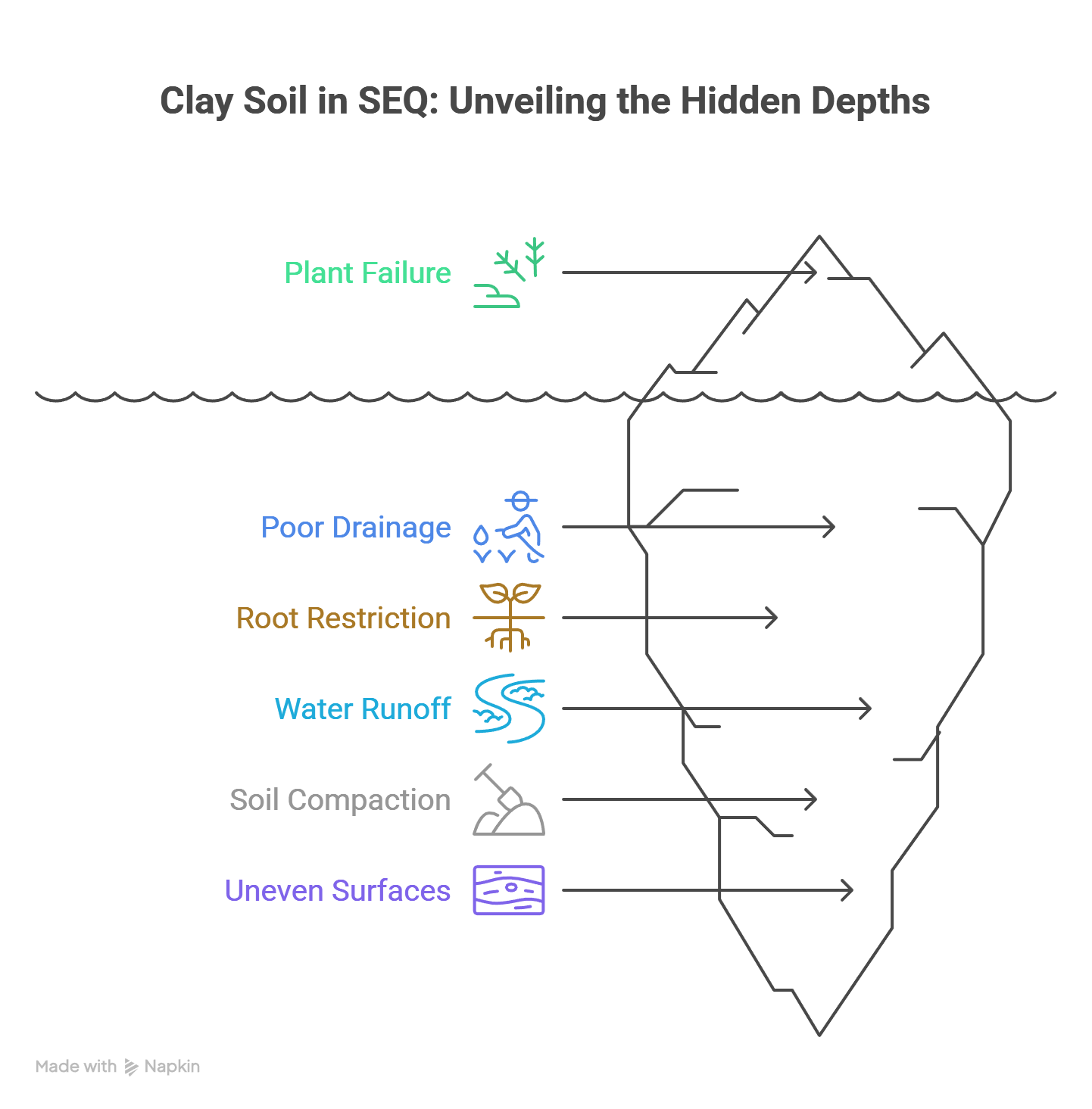
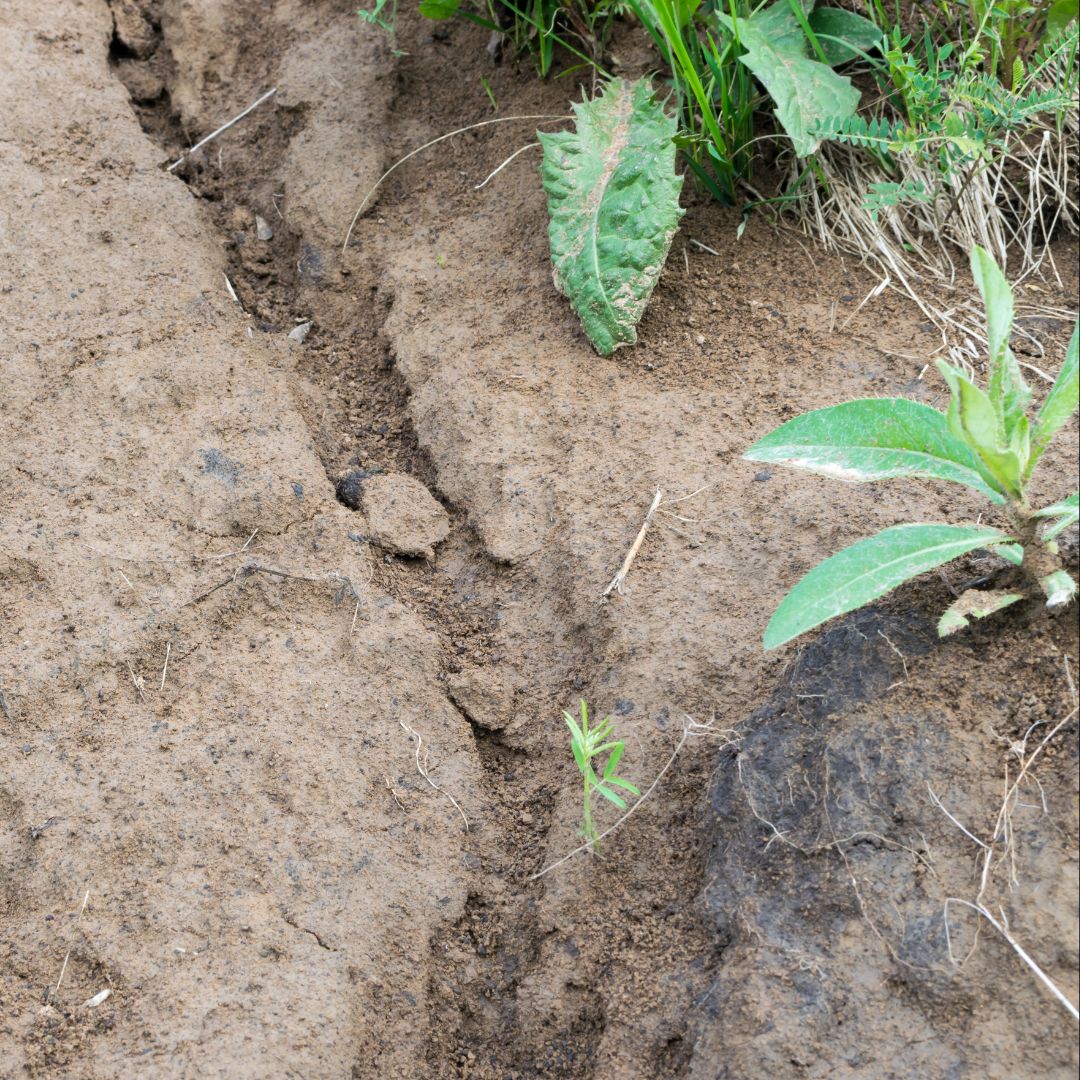
Clay soil isn’t inherently poor soil (it actually contains valuable nutrients), but its structure is the challenge. Plant roots need a balance of moisture, oxygen, and microbial activity to thrive. When soil pores are too small and compacted, oxygen levels drop, beneficial microbes decline, and roots struggle to expand. This is why gardens planted directly into untreated clay often show slow growth, yellowing foliage, poor flowering, or sudden plant loss after heavy rain. During drier months, irrigation water may run off the surface instead of soaking in, leaving plants thirsty even though the soil appears damp on top.
Another defining characteristic of SEQ clay soils is their tendency to expand when wet and shrink when dry. This movement can disrupt root systems, create uneven lawn surfaces, and place pressure on paving and retaining structures over time. It also means that simply adding a thin layer of topsoil before planting is rarely enough – roots quickly reach the underlying clay and face the same restrictions. Understanding this behaviour is the first step toward a successful garden plan. A well-designed landscape in South East Queensland doesn’t need to fight the clay soil because it works with it. We do this by modifying the structure where necessary and selecting plants that tolerate these conditions where improvement isn’t practical.
So, the good news is that clay soil can be improved. However, quick fixes and gardening myths often cause more harm than good. For example, adding sand without organic matter can create a concrete-like texture, and relying on gypsum alone won’t fix soil structure unless it is paired with biological improvement. Real soil transformation comes from organic enrichment, physical loosening, and time. Once conditioned, clay soil drains more reliably, retains moisture more evenly, and supports healthy root development. Understanding your soil before starting any landscaping project is one of the most valuable investments you can make, because in our SEQ gardens, success truly starts from the ground up.
So, let’s look at how we make this soil improvement happen.
How to Improve Clay Soil the Right Way
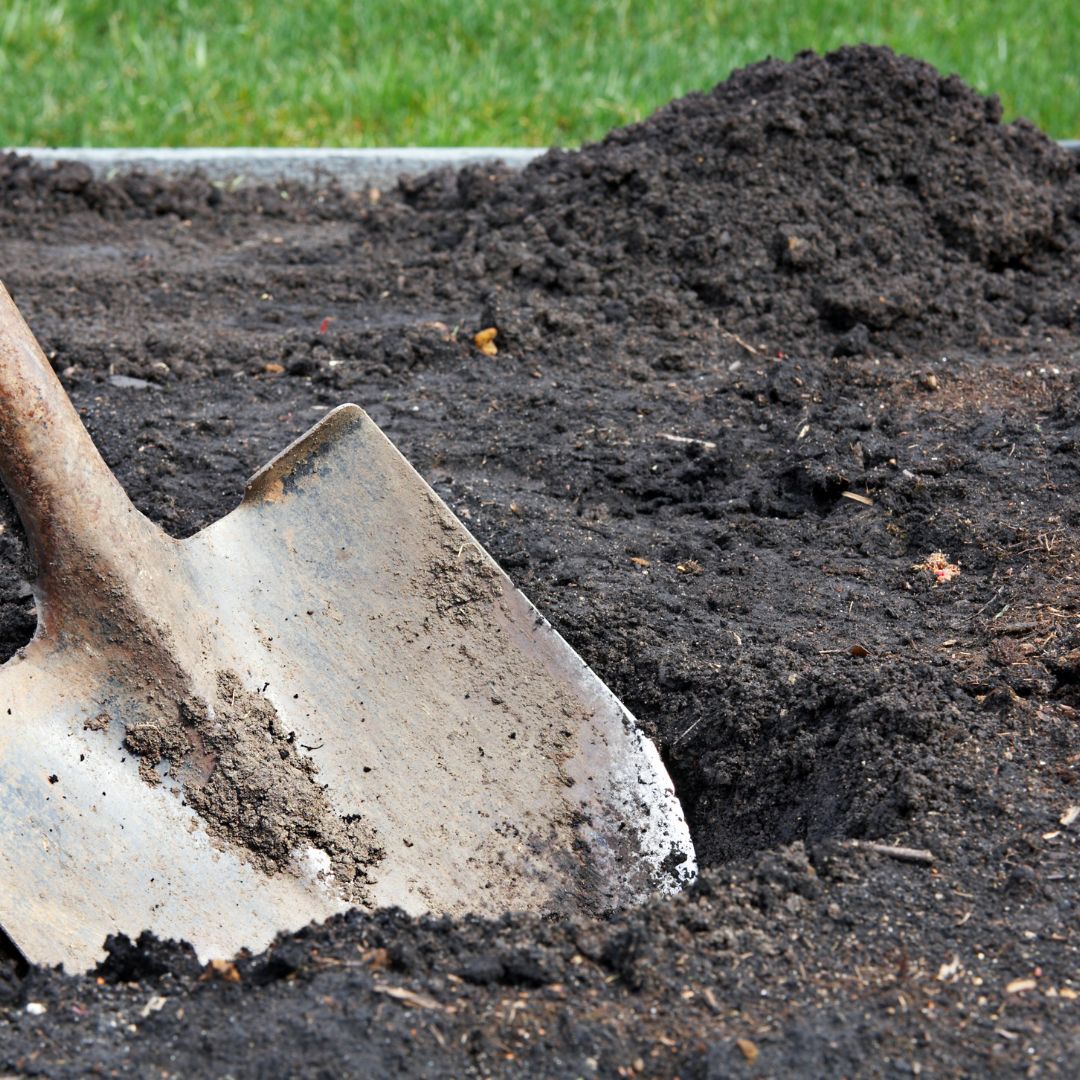
Improving clay soil is not about one product or one treatment — it’s about rebuilding soil structure so water, air, and roots can move freely. In South East Queensland, where summers are hot and rainfall can be sudden and heavy, the goal is to create soil that drains efficiently yet still holds enough moisture between watering cycles. The most effective way to achieve this is by incorporating generous amounts of organic matter. Compost, aged manure, leaf mould, and decomposed mulch separate tightly packed clay particles, creating larger pore spaces that improve drainage and oxygen availability. Over time, organic matter also feeds beneficial soil microbes and earthworms, which naturally aerate soil through their activity. This biological process is what transforms dense clay into living, workable soil.
Depth of preparation is crucial. Loosening only the top layer of soil results in roots quickly hitting compacted clay below. For lasting results, soil should be improved to at least 300–400mm in garden beds, and deeper for trees and large shrubs. This may involve mechanical cultivation, blending imported garden soil with existing clay, or in some cases installing raised garden beds to gain full control over soil composition. Raised beds are particularly effective in SEQ gardens, offering immediate drainage improvement and reliable planting zones.
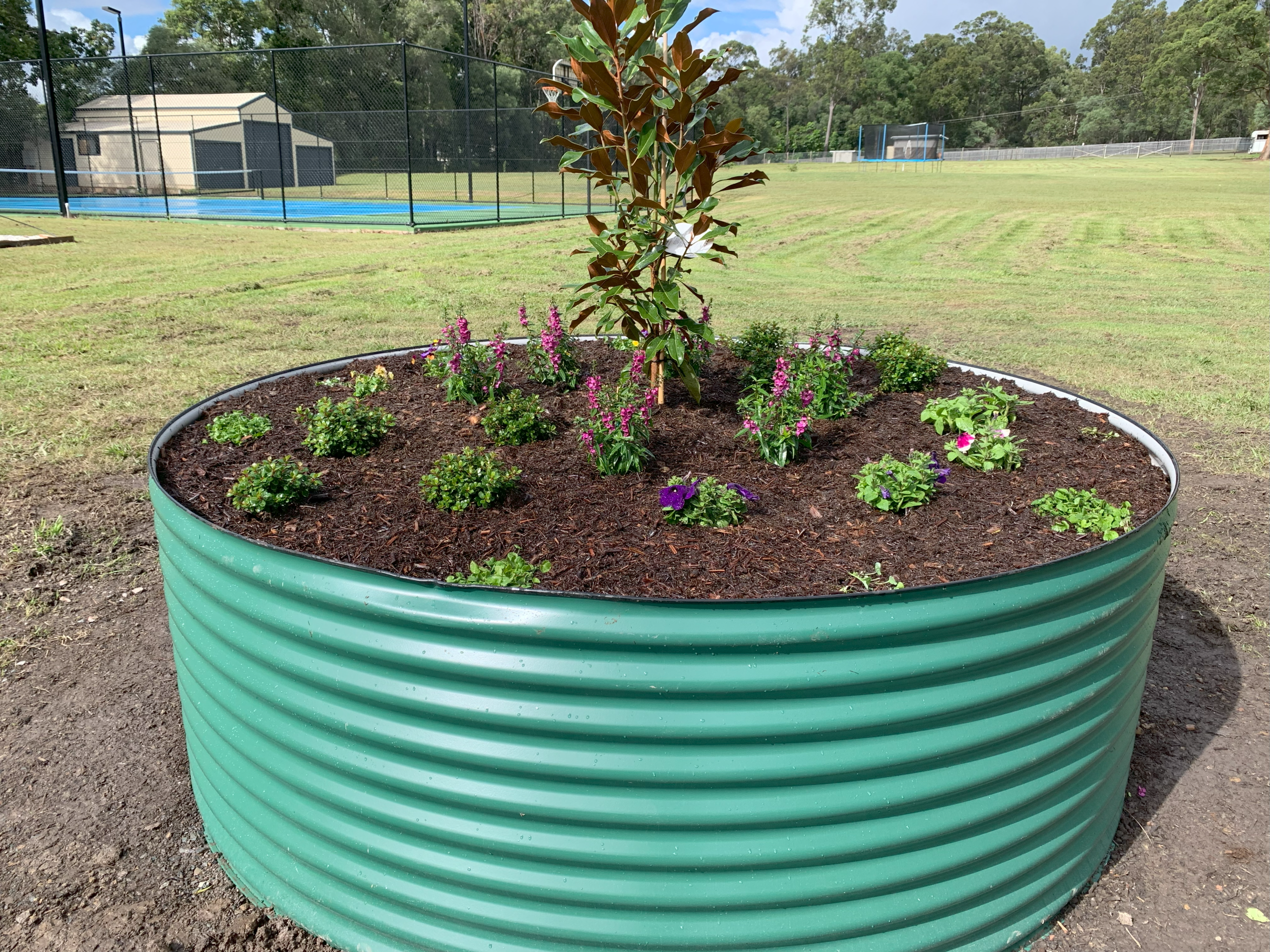
Surface protection also plays a key role. Even improved soil can recompact if left exposed to heavy rain. Applying organic mulch protects soil structure, reduces surface sealing, and encourages water to infiltrate gradually rather than run off. Mulch also moderates soil temperature — vital during SEQ summers when exposed clay can overheat and stress roots. As mulch breaks down, it continues enriching the soil profile.
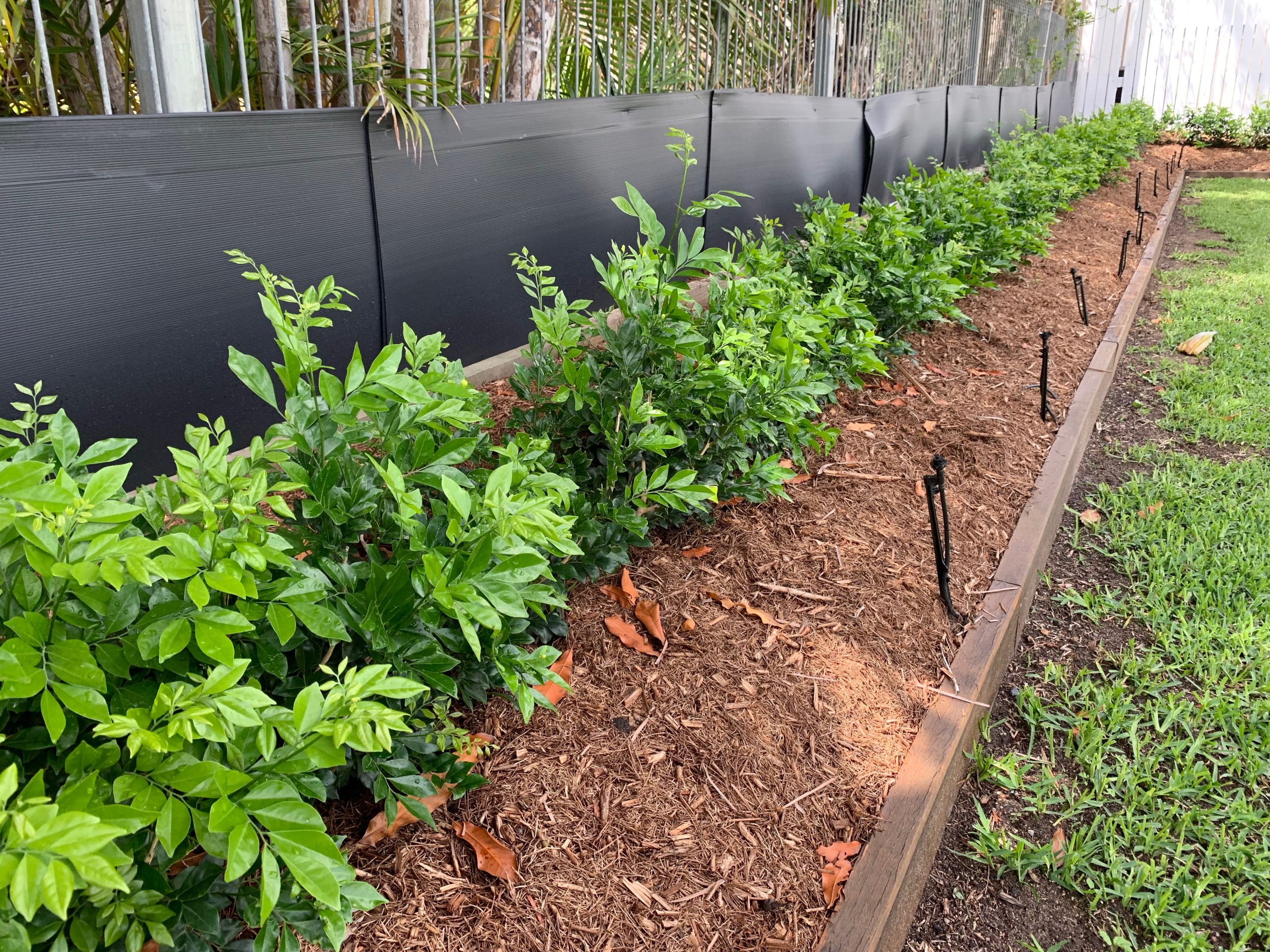
Drainage planning should accompany soil improvement. Shaping beds into gentle mounds, installing sub-surface drains, or incorporating swales to redirect water can dramatically reduce waterlogging. Good drainage doesn’t remove all moisture — it simply prevents prolonged saturation. During early soil improvement stages, hardy pioneer plants such as lomandra, liriope, dwarf mondo, and certain native groundcovers help stabilise soil and open natural channels with their root systems. Over time, more feature plants can be introduced as conditions mature.
Soil improvement is an ongoing process rather than a one-time task. Each season of mulching, composting, planting, and microbial activity strengthens soil health. Within a year the difference is visible; within a few years it is transformative. Investing in proper clay soil improvement reduces plant losses, lowers irrigation needs, and creates a strong foundation for every other element of your landscape.
Designing Gardens That Thrive in Improved Clay Soil
Once clay soil has been properly improved, garden design becomes far more flexible and creative. A healthy soil foundation opens a wider plant palette, supports stronger root systems, and allows landscapes to perform beautifully through SEQ’s seasonal shifts. However, even improved clay soil benefits from thoughtful planting and maintenance strategies that respect local climate patterns. In professional landscape design, soil, climate, water, and plant selection must work together as one system; when they do, gardens thrive with minimal intervention.
Layered planting is one of the most effective strategies in clay-based landscapes. Shallow-rooted groundcovers protect soil surfaces, reduce compaction from rainfall, and suppress weeds. Mid-layer shrubs occupy the main soil zone, improving aeration and stability. Deeper-rooted trees create vertical channels that aid long-term drainage and water penetration. This layered root structure mimics natural ecosystems and helps buffer soil from temperature extremes, reducing evaporation during hot weather.
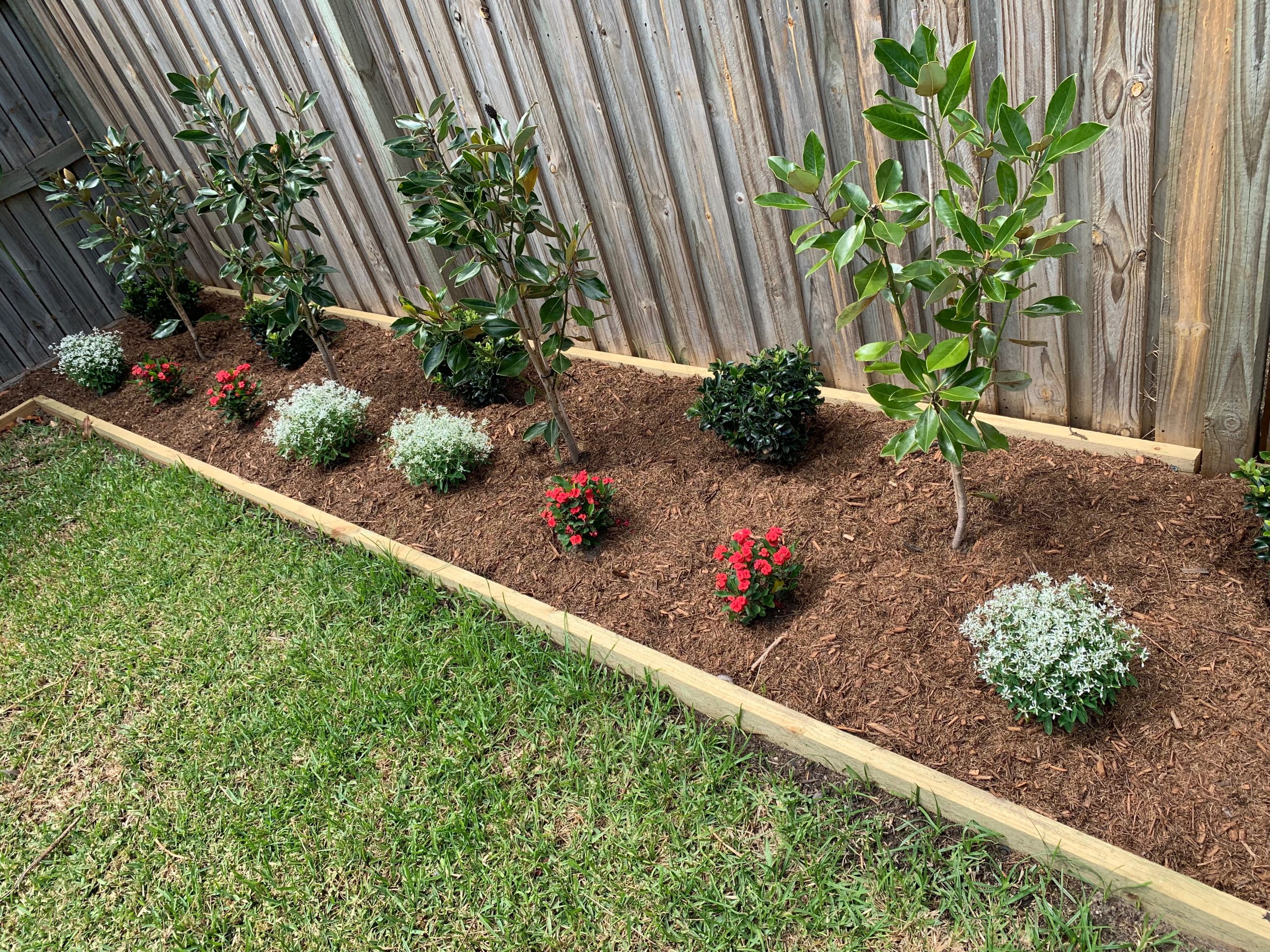
Water management remains important even after soil improvement. Drip irrigation delivers water directly to root zones without saturating surfaces. Rainwater harvesting can supplement irrigation, while gentle garden shaping guides excess rainfall into planted areas rather than hard surfaces. These elements ensure soil continues to perform efficiently rather than reverting to compaction or erosion over time.
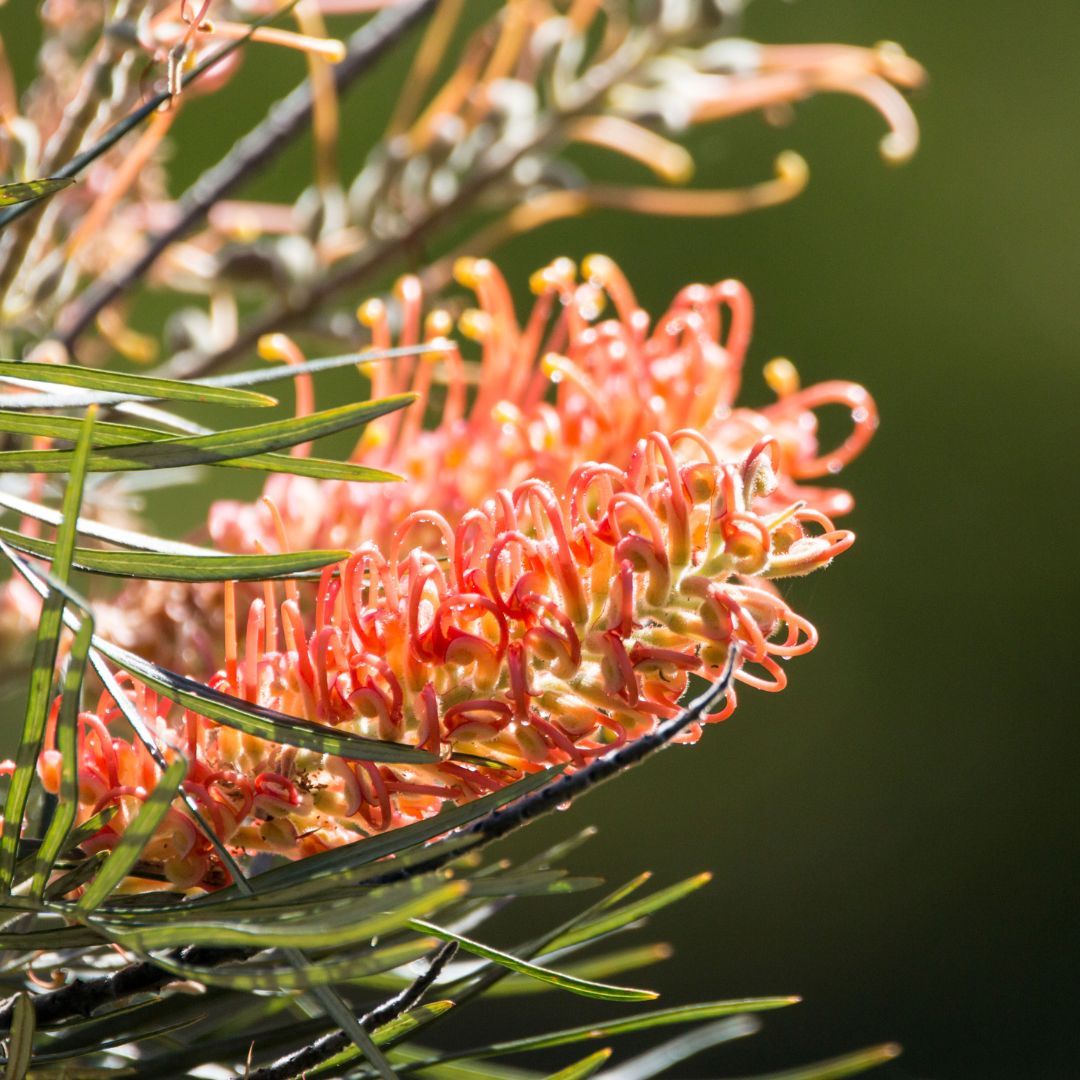
Plant selection becomes more flexible, but climate suitability remains key. Australian natives such as grevillea, callistemon, westringia, and banksia thrive in improved clay soils. Hardy ornamentals including gardenias, hibiscus, philodendrons, and heliconias also perform well. Lawn areas benefit enormously from soil conditioning, developing stronger root systems and more even growth with reduced water requirements. The result is a garden that looks lush but remains resilient to heatwaves, storms, and dry spells.
Long-term maintenance protects soil gains. Avoiding heavy foot traffic on garden beds prevents compaction. Reapplying mulch annually replenishes organic matter. Occasional compost top-dressing keeps microbial life active. Over time, soil becomes increasingly self-sustaining — reducing inputs and ongoing maintenance needs. Ultimately, when clay soil is properly understood and improved, homeowners can design gardens based on lifestyle and aesthetic goals rather than worrying whether plants will survive. In South East Queensland, that confidence is the true mark of a well-built landscape.
Bringing It All Together
Improving clay soil and designing a thriving garden in South East Queensland doesn’t need to feel overwhelming, but it does require the right knowledge, preparation and execution. At Chandler Park Landscaping, we understand SEQ soils, local climate conditions and the horticultural principles that underpin long-term garden success. From soil testing and preparation through to drainage planning, plant selection and full landscape construction, Nigel and the team take a considered, professional approach to every project. Whether you’re starting with a bare clay block or looking to revitalise an existing garden, we can help turn expert advice into practical, lasting results. If you’re ready to create a garden that not only looks beautiful but thrives in SEQ conditions, get in touch with Nigel and the Chandler Park Landscaping team to discuss how we can help bring your outdoor space to life.

Comments are closed here.