
Edible Gardening in SEQ: How to Grow Good Year-Round in Your Brisbane Garden
June 1, 2026 8:30 am -Hi, it’s Nigel from Chandler Park Landscaping! One of the most rewarding things you can do with your garden is grow your own food and here in South East Queensland, we’re incredibly lucky to be able to do it almost all year round. Unlike many parts of Australia where gardeners are limited to a few warm months, SEQ’s subtropical climate means there’s nearly always something you can be planting, harvesting, or tending in your edible garden.
Whether you have a sprawling backyard, a compact courtyard, or just a few raised garden beds, this guide will walk you through how to make the most of every season in your Brisbane garden. From winter vegetables to tropical fruit trees, companion herbs to soil preparation, edible gardening in SEQ is one of the most productive (and delicious) investments you can make in your outdoor space.
Why SEQ Is One of Australia’s Best Edible Gardening Climates
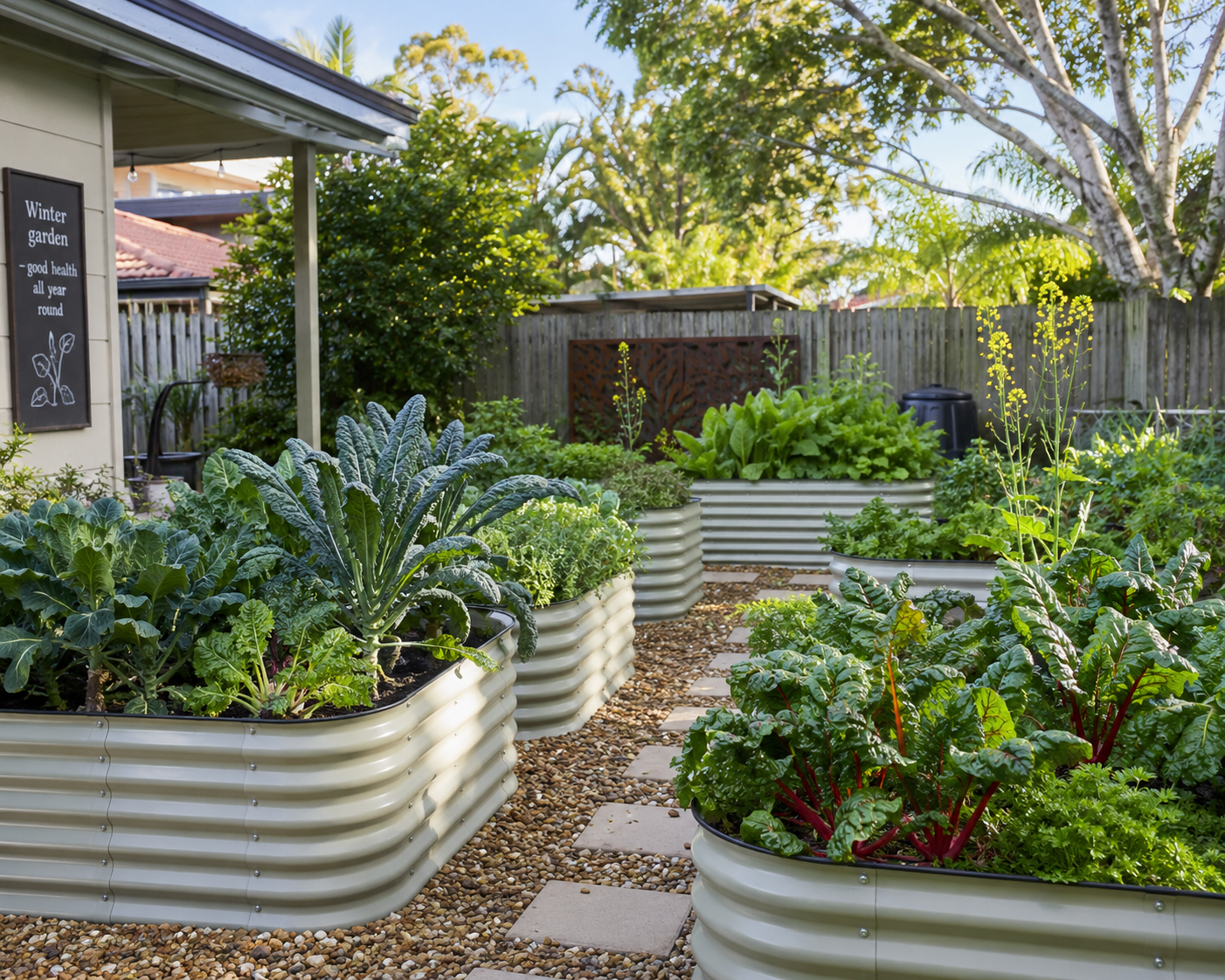
South East Queensland sits in a subtropical zone with mild winters, warm summers, and a long growing season that most Australian gardeners can only dream of. Average temperatures rarely drop below 10°C in winter, meaning frost is uncommon in most urban areas around Brisbane, Ipswich, and the Sunshine Coast. This means cool-season vegetables that would be wiped out by frost in southern states thrive here with minimal protection.
The main challenge for SEQ edible gardeners is the intense summer heat and humidity, which can cause some cool-season crops to bolt or suffer. The key is understanding which plants suit which season and taking full advantage of our remarkable autumn and winter growing window.
SEQ’s climate advantages for edible gardening include:
- Year-round growing opportunities with thoughtful crop rotation
- Excellent conditions for tropical and subtropical fruit trees
- Long, warm springs that extend fruiting seasons
- Rich soils that respond well to organic amendments
- High rainfall that, when managed well, reduces irrigation needs
The SEQ Edible Gardening Calendar: What to Grow and When
Timing is everything in the edible garden. Here’s a practical overview of what to plant and when across the four seasons in South East Queensland.
Autumn (March – May): The Transition Season
Autumn is a busy planting time for SEQ edible gardeners. As temperatures cool from the summer heat, it’s the perfect opportunity to establish cool-season crops that will carry you through winter. Plant now:
- Leafy greens: silverbeet, kale, spinach, lettuce, Asian greens
- Root vegetables: carrots, beetroot, radishes, turnips
- Brassicas: broccoli, cauliflower, cabbage, Asian mustard greens
- Legumes: snow peas, sugar snap peas, broad beans
- Herbs: coriander, dill, fennel, parsley, chives
Winter (June – August): Peak Productive Season
Winter is arguably the most productive season for edible gardening in SEQ — and June is prime time. With mild days and cool nights, cool-season vegetables hit their stride and produce abundantly. This is the season where the SEQ climate truly shines compared to southern states, where cold winters often bring gardening to a halt.
June is a particularly excellent time to:
- Succession plant leafy greens every 2–3 weeks for a continuous harvest
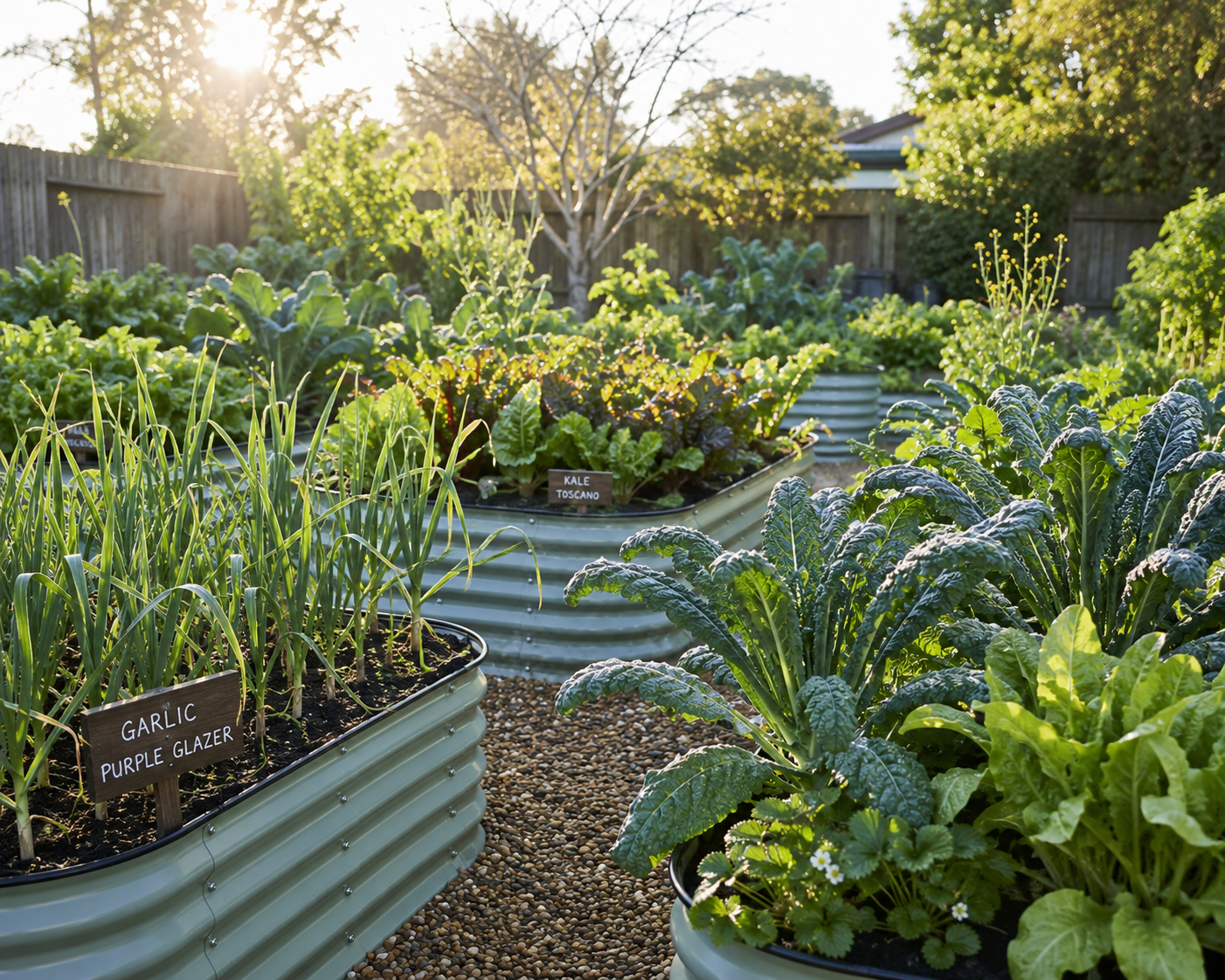
- Plant garlic and onions (June is the ideal month for garlic in SEQ)
- Direct sow carrots, beetroot and parsnip into prepared beds
- Maintain pea and bean crops with regular harvesting to prolong production
- Plant strawberry runners for a late-winter and spring harvest
- Feed citrus trees with a citrus-specific fertiliser ahead of their spring flush
Spring (September – November): Warm-Season Transition
As temperatures climb in spring, it’s time to transition from cool-season crops to warm-season favourites. Start tomato, capsicum, chilli, and eggplant seedlings under cover in August so they’re ready to go in the ground from September onwards. Spring is also the time to plant cucumbers, zucchini, pumpkin, and sweet corn.
Summer (December – February): Tropical Abundance
Summer in SEQ is hot and humid, which challenges many vegetables but suits tropical crops beautifully. Sweet potato, snake beans, okra, and tropical herbs like lemongrass and Vietnamese mint thrive. Tropical fruits including bananas, papayas, and passionfruit are at their most productive. Focus on watering deeply and consistently during heatwaves and protecting plants from intense afternoon sun.
Choosing the Right Edible Garden Design for Your Space
One of the most common questions I hear from homeowners is “I don’t have enough space for a veggie garden.” The truth is, you almost certainly do – it just requires the right design approach for your particular property.
Raised Garden Beds
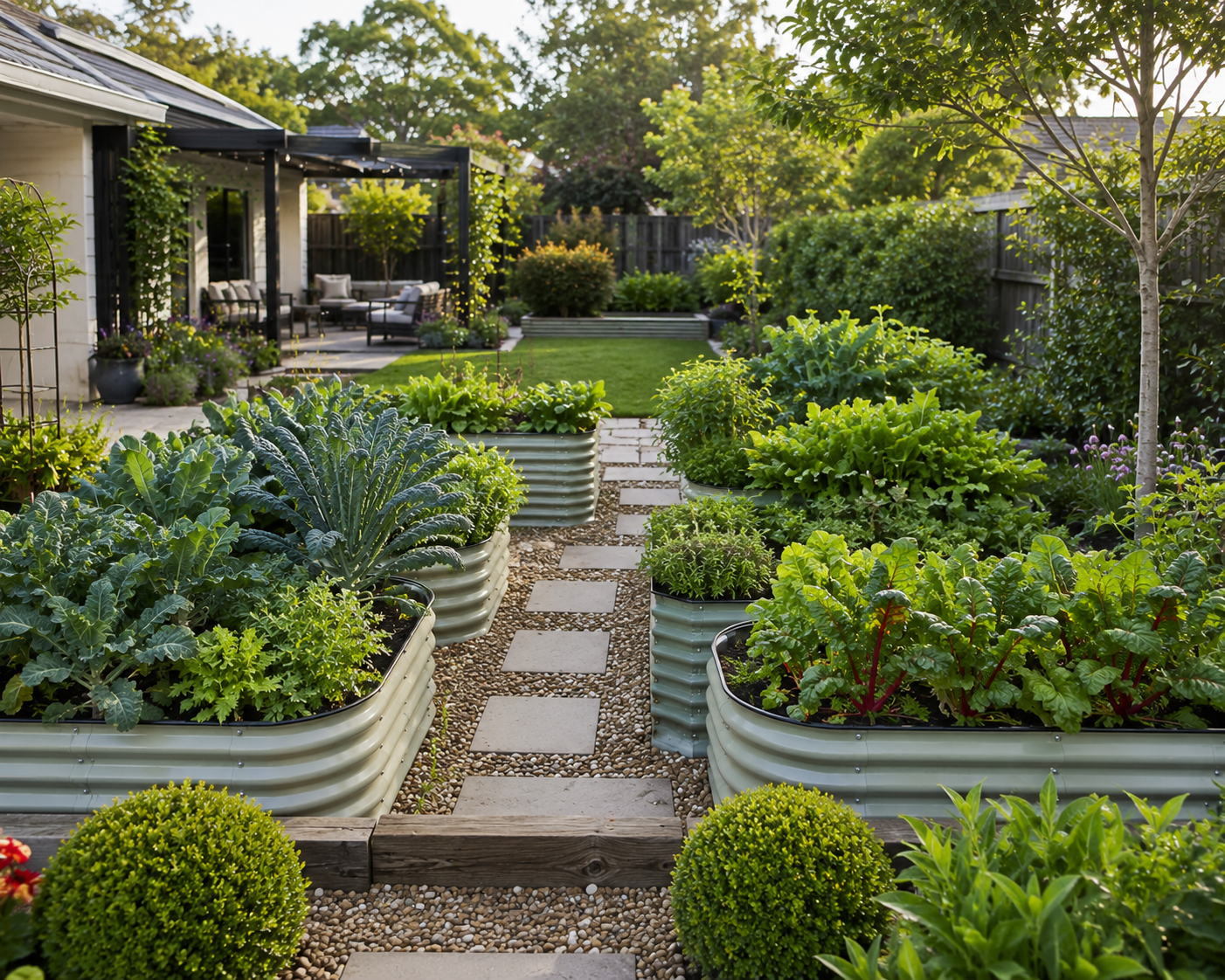
Raised garden beds are one of the most effective ways to establish a productive edible garden in SEQ. They give you total control over soil quality (critical in areas with our notoriously clay-heavy subsoils), improve drainage, warm up faster in cooler months, and make it much easier to manage pests, weeds, and watering. We’ve written in detail about
Raised garden beds are one of the most effective ways to establish a productive edible garden in SEQ. They give you total control over soil quality, improve drainage, warm up faster in cooler months, and make it much easier to manage pests, weeds, and watering. You can read more in our blog 5 Reasons Why Raised Garden Beds Are Great for Gardens — the benefits apply just as strongly to edible growing as to ornamental gardens.
Courtyards and Small Spaces
Even compact townhouse courtyards can produce impressive harvests. Vertical trellises for climbing beans, cucumbers, and peas can transform a fence into a productive ‘food wall.’ Container growing is highly effective for herbs, cherry tomatoes, capsicums, and leafy greens. For more ideas on maximising limited outdoor space, our blog on Smart Garden Design for Townhouses and Courtyards has some practical inspiration you can apply to edible growing too.
Acreage and Larger Properties
For homeowners with larger properties, an edible garden can expand into a full kitchen garden, orchard, or food forest layout. Strategic placement relative to the house, water access, sun angles, and existing vegetation all matter. Our guide on Smart Landscaping for Acreage Properties in SEQ covers many of the design principles that apply equally well to productive gardens on larger blocks.
Soil Preparation: The Foundation of Every Productive Edible Garden
Good soil is the single most important factor in edible garden success, and SEQ’s native soils are often poorly suited to growing vegetables without amendment. Many Brisbane and surrounding areas have heavy clay subsoils that waterlog in our wet season and crack in the dry. Sandy coastal soils on the other hand drain too freely and struggle to retain nutrients.
For a productive vegetable garden in SEQ, aim for:
- Rich, loamy texture that holds moisture without waterlogging
- pH between 6.0 and 7.0 for most vegetables (test your soil before planting)
- High organic matter content — compost, aged manure, and worm castings all help
- Good drainage to prevent root rot during our heavy summer rains
If you’re working with the SEQ clay soil challenge, you might find our dedicated blog on how to fix clay soil in SEQ gardens very useful — the techniques discussed apply directly to preparing edible garden beds for productive growing.
Before planting any edible bed, work in at least 10–15cm of quality compost, and mulch generously (sugarcane mulch works particularly well for veggie gardens) to retain moisture and regulate soil temperature through our wide seasonal range.
Fruit Trees and Perennial Edibles for SEQ Gardens
No edible garden in SEQ is complete without fruit trees and perennial food plants. These long-lived investments produce for years or decades and become permanent fixtures in your landscape. Some of the best choices for South East Queensland include:
Citrus Trees
Lemons, limes, mandarins, and navel oranges all perform excellently in SEQ. Citrus prefers full sun, good drainage, and regular feeding with a citrus-specific fertiliser in late winter and again in early autumn. Water deeply but allow the soil to dry slightly between waterings. Avoid planting in areas prone to waterlogging.
Avocados
Avocados thrive in the frost-free, warm conditions of SEQ. Hass and Shepard are the most popular varieties. They need excellent drainage (avocados are highly susceptible to Phytophthora root rot in heavy soils), good air circulation, and a pollinator pair for reliable fruiting. Grafted trees produce fruit far sooner than seedlings.
Bananas
Bananas are one of the most productive plants you can grow in SEQ. Cavendish and Lady Finger varieties are the most common, while rarer varieties like Blue Java (Ice Cream Banana) are worth exploring. They need full sun, wind protection, rich well-drained soil, and consistent moisture. Plant in a sheltered spot and expect fruit within 9–15 months of planting.
Passionfruit
Passionfruit vines are incredibly productive, relatively low-maintenance, and double as a screening plant on fences and trellises. Nellie Kelly (grafted Panama Red or Panama Gold) is the most reliable variety for SEQ. They fruit heavily in late autumn through winter, which coincidentally coincides with the winter veggie garden season beautifully.
Herbs as Permanent Edible Features
Perennial herbs like rosemary, lemongrass, chives, Vietnamese mint, Thai basil, and bay laurel can be integrated beautifully into the broader garden design as ornamental edible features. They’re low-maintenance, look attractive year-round, and provide a constant harvest. Lemongrass in particular makes a striking clumping feature plant in a tropical landscape while also providing culinary and insect-repelling benefits.
Companion Planting in the Edible Garden
A productive edible garden isn’t just about what you grow — it’s about how you grow it together. Companion planting is the practice of placing plants in combinations that benefit each other, whether by deterring pests, improving soil, or attracting pollinators. We’ve covered this topic in detail in our blog on Companion Planting: A Natural Way to Boost Your Garden in Queensland, and it’s a strategy I recommend to every edible gardener in SEQ.
Some particularly effective combinations for winter edible gardens in SEQ include:
- Garlic and roses or brassicas — garlic’s pungent compounds repel aphids naturally
- Carrots and spring onions — spring onions deter carrot fly and the pairing maximises bed space
- Brassicas and dill or chamomile — attract parasitic wasps that prey on cabbage white butterfly caterpillars
- Legumes (peas, beans) with brassicas — legumes fix nitrogen which brassicas are heavy feeders of
- Marigolds throughout the veggie garden — deter nematodes and many flying pests, and attract beneficial insects
Watering Your Edible Garden in SEQ
Consistent, appropriate watering is crucial for a productive edible garden. Too little and plants bolt, fail to set fruit, or simply die. Too much and you invite fungal diseases, root rot, and nutrient leaching. The winter months in SEQ are relatively dry, so supplemental watering is often needed even though temperatures are mild.
Key watering principles for SEQ edible gardens:
- Water deeply and infrequently to encourage deep root development
- Water at the base of plants — wet foliage promotes fungal disease, especially in winter when dew is common
- Water in the morning so any wet foliage can dry through the day
- Use drip irrigation or soaker hoses for raised beds — efficient, targeted, and time-saving
- Mulch heavily to retain moisture — sugarcane mulch at 5–8cm depth makes a significant difference
A well-designed irrigation system can take the guesswork out of watering your edible garden entirely. Our team at Chandler Park Landscaping can design and install drip irrigation systems specifically for vegetable beds and orchard areas, calibrated to SEQ’s seasonal rainfall patterns.
Frequently Asked Questions About Edible Gardening in SEQ
What vegetables can I plant in June in Brisbane?
June is peak cool-season growing time in Brisbane and SEQ. Excellent choices include garlic, onions, kale, spinach, silverbeet, Asian greens, broccoli, cauliflower, cabbage, peas, snow peas, beetroot, carrots, parsnip, turnips, and strawberries. It’s also a great time to succession sow leafy greens every two to three weeks for continuous harvests.
Do I need raised beds for a vegetable garden in SEQ?
While you can grow vegetables in-ground, raised beds offer significant advantages in SEQ — particularly if you’re dealing with clay soils, poor drainage, or limited outdoor space. They allow you to create the ideal growing medium, improve drainage, reduce weed pressure, and make maintenance much easier on your back.
What fruit trees grow best in Brisbane?
Brisbane’s subtropical climate is ideal for citrus (lemons, limes, mandarins, oranges), avocados, bananas, papayas, mangoes, passionfruit, lychees, figs, and mulberries. For temperate fruits like apples and pears, choose low-chill varieties specifically bred for warm climates.
How do I improve clay soil for vegetable growing?
Improving clay soil for vegetable growing requires incorporating organic matter — compost, aged manure, and gypsum — to improve structure and drainage over time. Raised beds filled with premium vegetable mix are a faster solution if you’re working with heavy subsoils. We recommend building raised beds at least 30–40cm deep for most vegetables.
Can I grow tomatoes in winter in SEQ?
Tomatoes are warm-season crops and won’t perform well planted from scratch in mid-winter in SEQ. However, if you planted tomatoes in late summer or autumn, you may still have plants producing through the early part of winter. Begin starting tomato seedlings in July–August ready to plant out in September when temperatures begin to rise again.
How much sun does a vegetable garden need in SEQ?
Most fruiting vegetables (tomatoes, capsicum, beans, cucumbers) require at least 6–8 hours of direct sun per day. Leafy greens and root vegetables are more tolerant of part shade and can perform well with 4–6 hours of sun — which is actually an advantage in SEQ’s summer heat, where some afternoon shade protects them from bolting.
What is the best mulch for vegetable gardens in SEQ?
Sugarcane mulch is the most popular and practical choice for vegetable gardens in SEQ. It’s affordable, decomposes quickly to add organic matter to the soil, retains moisture well, and is widely available. Apply at 5–8cm depth and top up as it breaks down. Lucerne mulch is also excellent as it adds nitrogen as it decomposes, which is particularly beneficial for leafy greens.
Do I need to fertilise my vegetable garden?
Yes — vegetables are heavy feeders and most soils, even those regularly amended with compost, benefit from supplemental feeding. A balanced organic fertiliser at planting, followed by liquid feeds (seaweed solution or fish emulsion) every two to three weeks during the growing season, keeps most vegetables performing at their best. Avoid over-fertilising with nitrogen in winter as it encourages soft, pest-susceptible growth.
Ready to Create Your Own Edible Garden?
Growing your own food is one of life’s great pleasures, and here in South East Queensland we have no excuse not to — the climate, the space, and the opportunity are all there. Whether you’re starting from scratch with a few raised beds or integrating a full kitchen garden and orchard into an existing landscape, the rewards are well worth the effort.
At Chandler Park Landscaping, we help homeowners across Brisbane and SEQ design and build productive edible gardens that are beautiful as well as functional. From site assessment and soil preparation to raised bed construction, irrigation, and planting plans, we handle the whole process so you can get straight to the growing.
Contact Nigel and the team today to discuss how we can bring your edible garden vision to life.
Phone: 0423 834 320
Email: [email protected]
Website: chandlerparklandscaping.com.au
Comments are closed here.