
How to Plan a Climate-Smart Landscape for South East Queensland (QLD)
February 1, 2026 9:00 am -Future-proof your garden against heat, dry spells, heavy rain and unpredictable weather.
South East Queensland (SEQ) has a beautiful but challenging subtropical climate — hot humid summers, sudden downpours, occasional dry spells and high UV levels. While many gardens thrive here, a classic landscaping problem local homeowners face is the weather: too much or too little water, intense sun, and soil that varies from rich to stubborn clay.
In this blog, we’ll walk you through climate-smart landscaping — designing your outdoor space to work with SEQ’s weather patterns rather than against them. This approach boosts plant health, reduces maintenance, and helps conserve water — all while making your garden more enjoyable year-round.
1. Understand SEQ’s Weather Patterns
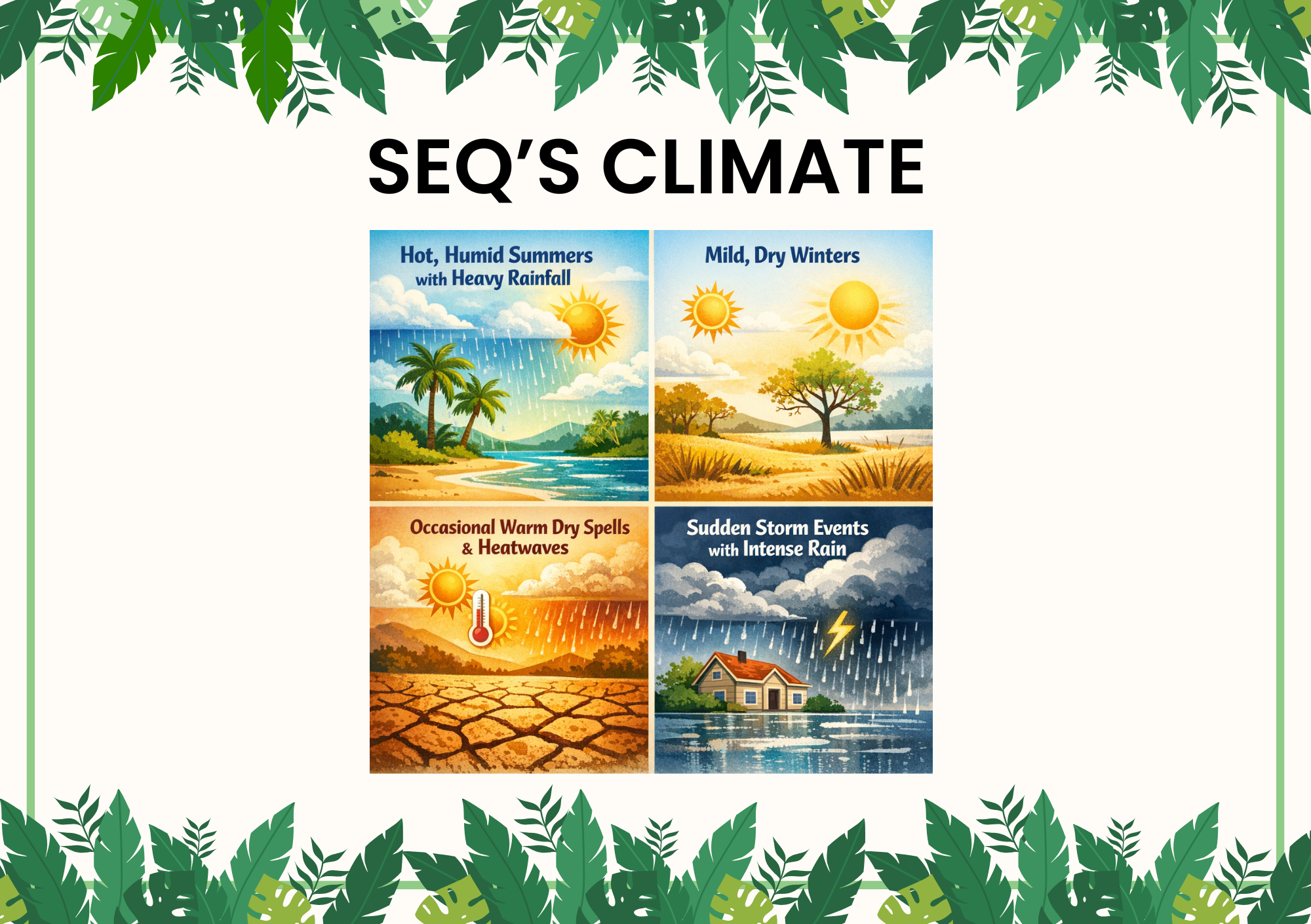
SEQ’s climate is classed as humid subtropical, meaning:
- Hot, humid summers with heavy rainfall
- Mild, dry winters
- Occasional warm dry spells and heatwaves
- Sudden storm events with intense rain
These conditions mean traditional temperate gardens often struggle here. For successful landscaping, you need strategies that cope with both too much water and not enough of it. This is where climate-awareness becomes essential — understanding seasonal patterns allows you to choose plants that thrive in humidity, and structure your garden to handle intense rain without losing soil or nutrients. Planning for shade, airflow, drainage and water retention helps your garden stay resilient year-round. Even small design choices, like mulching and layering canopy heights, make a noticeable difference when weather swings from drenching wet to dry and scorching hot.
2. Start With Smart Site Assessment
Before planting or building features, evaluate how water moves across your yard:
- High spots drain quickly and can be drought-prone.
- Low spots collect water and can lead to soggy patches or erosion.
- South/East-facing areas get more sun in summer.
- North/West sections may be cooler and damper.
Use this info to plan what goes where, and if necessary move soil or install features (like swales or gentle slopes) to improve water flow. If you’re working with a compact yard or courtyard, using vertical gardens, multi-functional spaces and clever layouts can make a climate-smart landscape just as effective. Take note of how shade falls across the yard throughout the day, as this will influence plant selection, irrigation needs and where outdoor living spaces are best positioned. Monitoring your site across seasons, not just summer, gives insights into drainage performance during storms and helps identify spots that might need raised garden beds or improved soil quality. A thoughtful assessment at the start saves ongoing maintenance costs and helps your garden thrive long-term.
3. Choose Plants That Match the Climate
Most gardening advice emphasises native and drought-tolerant plants — because they’re adapted to local conditions. Select plants that not only tolerate heat and humidity but also offer seasonal colour to keep the garden visually engaging even in cooler months. Drought-tolerant shrubs, colourful native foliage and hardy groundcovers are practical in SEQ’s hot summers and rainy seasons.
Planting tips:
- Group plants with similar water needs together (hydrozoning). Queensland Government
- Mix natives like bottlebrush, kangaroo paw or Banksia with hardy ornamentals.
- Use succulents and coastal natives in sun-baked or exposed spots. Renew
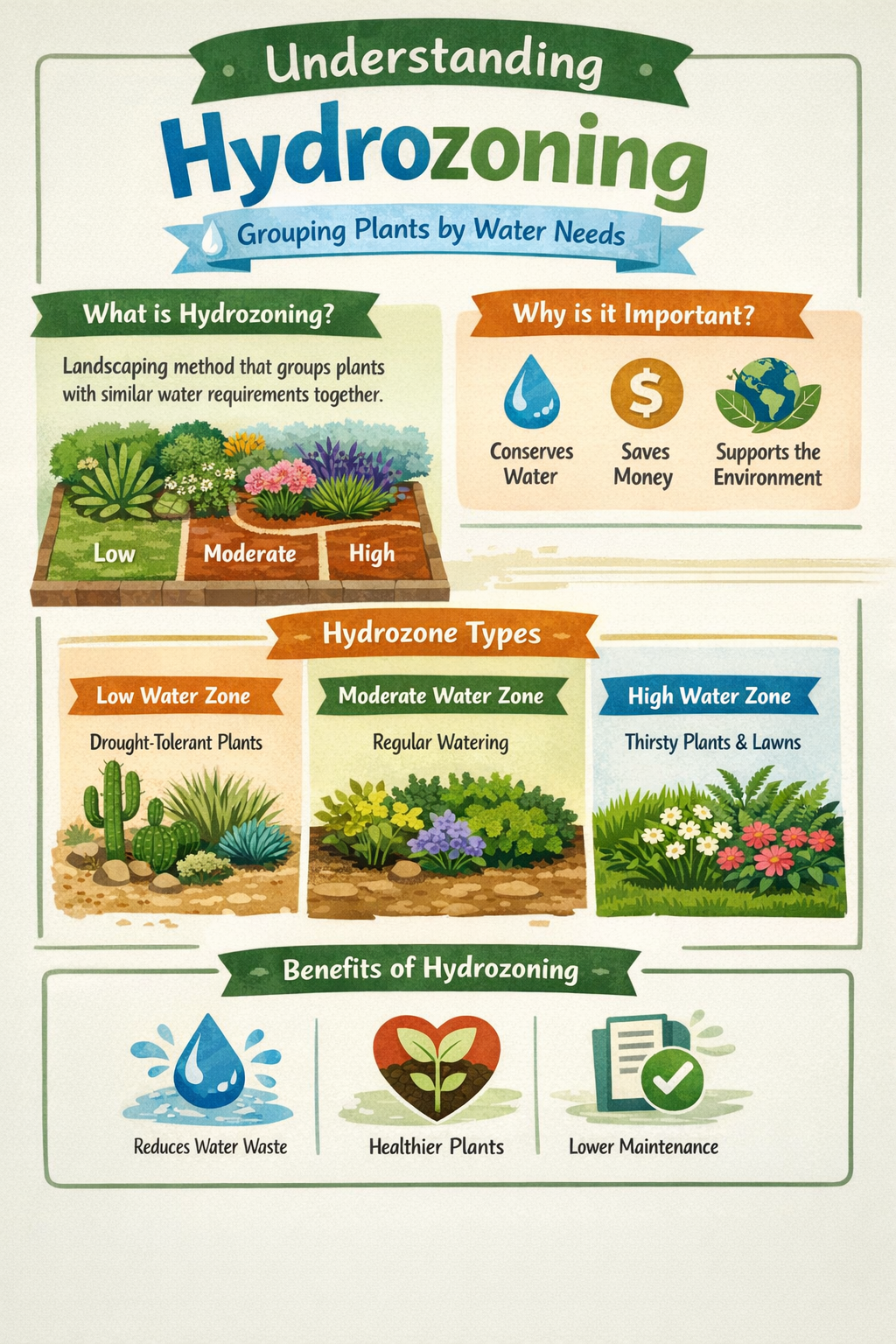
This not only conserves water but also creates a resilient garden that withstands extremes. Consider incorporating layers in planting – tall canopy trees, mid-level shrubs and low-growing groundcovers – to mimic natural ecosystems and increase shade and moisture retention. Plants that attract pollinators such as bees, butterflies and native birds also promote biodiversity and support a healthy garden environment. Adding organic matter to soil before planting improves structure and boosts root development, especially in clay-heavy areas. A diverse plant palette not only looks beautiful but ensures that even if one species struggles in certain seasons, others will continue to thrive.
4. Water-Wise Design Is Key
Water restrictions pop up in SEQ, and good landscaping helps you adapt:
Efficient Irrigation
- Install drip irrigation to target roots directly.
- Use smart irrigation controllers that adjust for rain and drought.
- Mulch Heavily
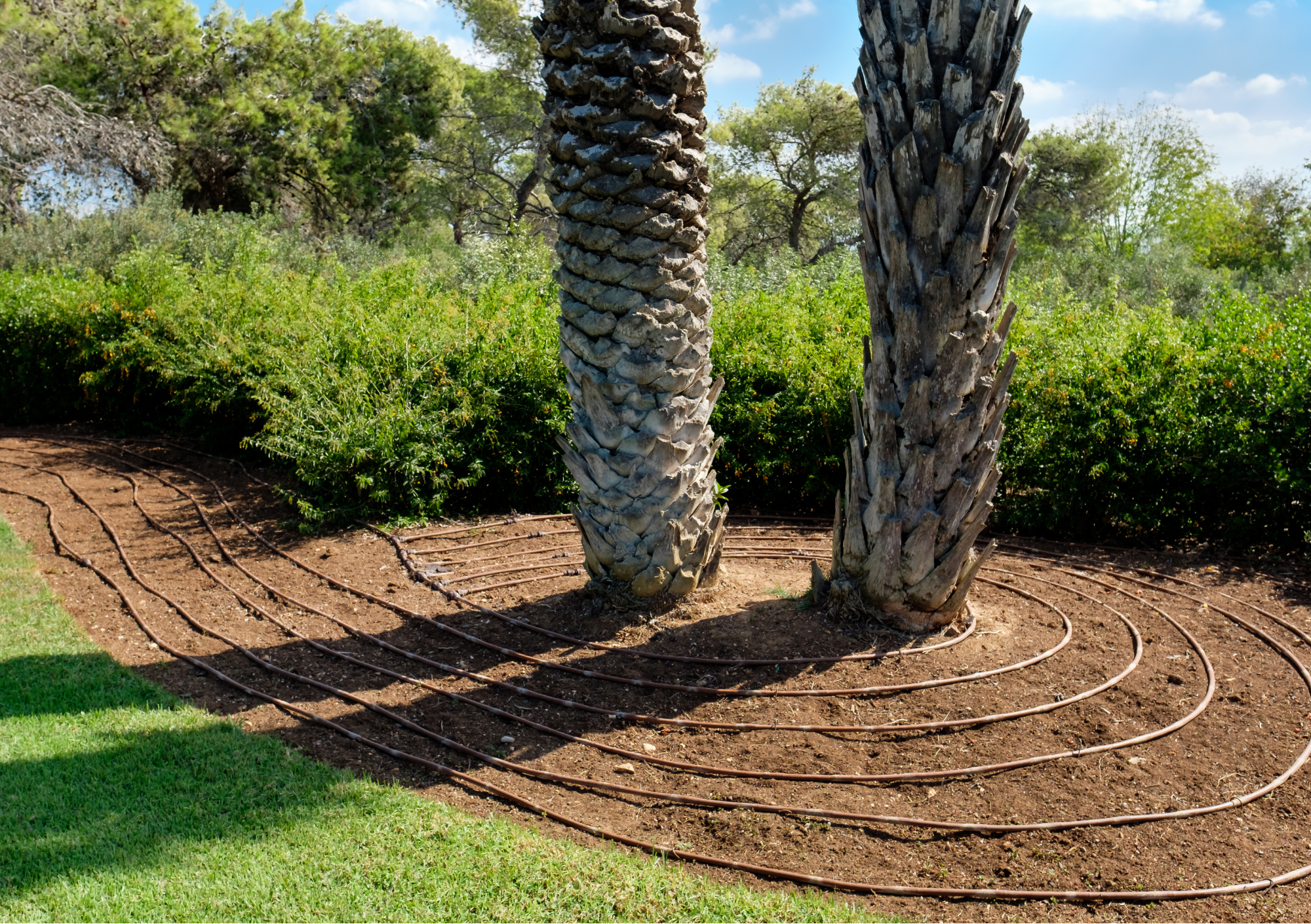
Mulch regulates soil temperature, reduces evaporation and keeps weeds down, all essential in summer heat. (Queensland Government) Incorporating rainwater tanks or greywater systems can further reduce reliance on mains water, especially during dry spells. Consider grouping thirsty plants closer to downpipes or low points where moisture naturally collects, and placing drought-hardy varieties in areas that receive full sun. Choosing permeable surfaces such as gravel paths or porous pavers also encourages rain to soak into the garden rather than running off. Incorporating organic matter into soil helps improve water retention, giving plants a better chance to survive between watering cycles. With thoughtful planning, you can maintain a lush garden while keeping water use efficient.
Rainwater Harvesting
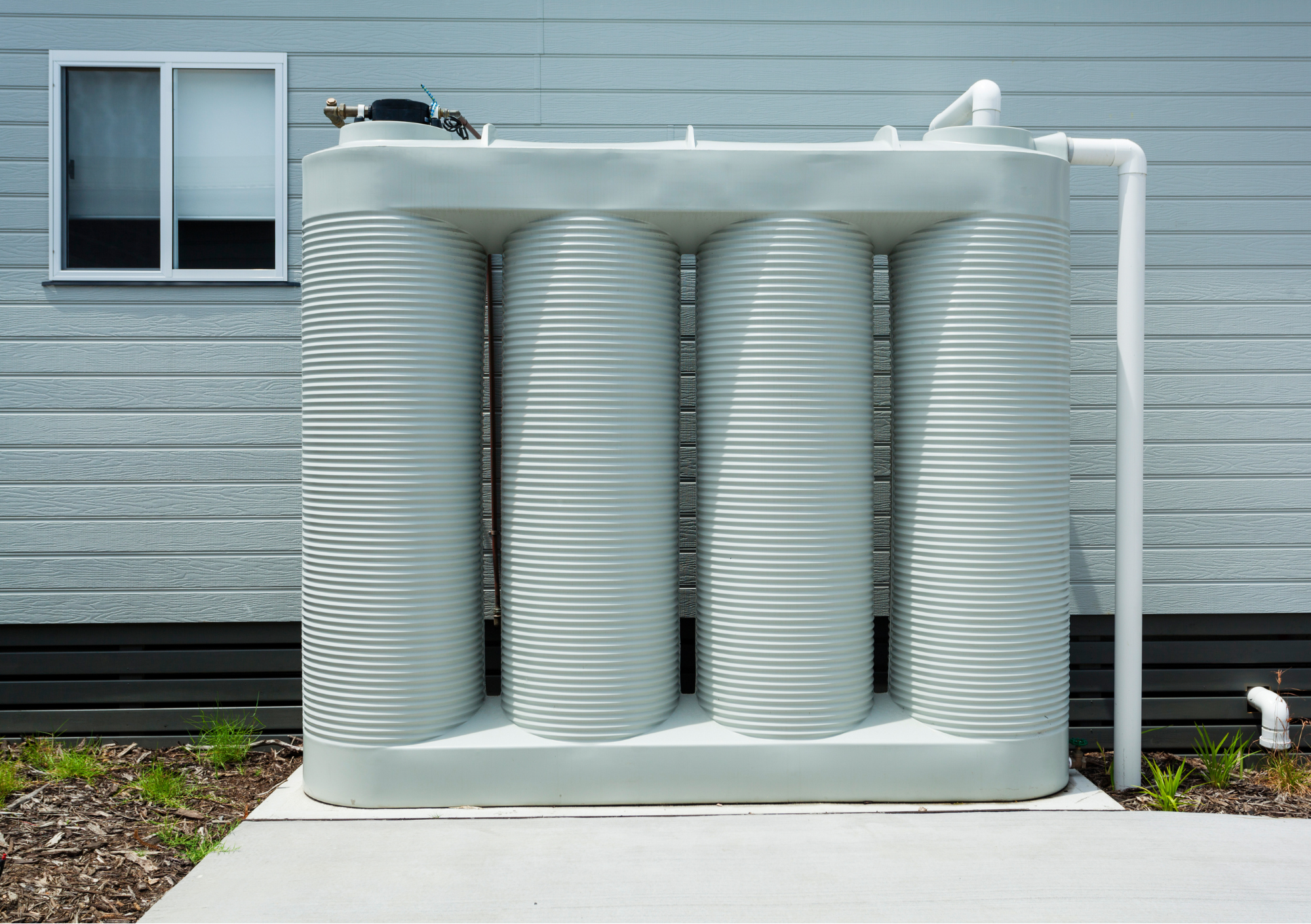
Rain tanks and connected irrigation can dramatically reduce mains water use.
Water features are another effective way to connect the natural and built elements of a garden. A gentle trickle or reflection pool introduces movement, sound, and tranquillity, ideal for relaxation and atmosphere. When combined with subtle garden lighting, these elements elevate the sensory experience of your outdoor entertaining area, making it usable day and night. To maximise efficiency, direct overflow from rain tanks into designated garden beds, swales or stormwater-friendly areas of the landscape. This not only minimises waste, but also ensures moisture reaches plant roots where it’s needed most. Integrating native water plants or marginal species can further support habitat value and improve water quality naturally. Consider adding seating or stepping stones near your water feature to encourage moments of pause and immersion, allowing you to experience the garden from different perspectives.
5. Hardscape That Helps Not Hurts
Hard landscaping (like patios, paths and retaining walls) can affect rainfall absorption and drainage. Hardscape choices such as permeable paving can improve drainage, reduce runoff and complement water-wise landscaping design.
Do it right:
- Choose porous paving so rainwater can seep through to plants.
- Build subtle slopes or swales to guide water to planting beds.
- Avoid flat, impermeable surfaces that trap water. (Common hardscape mistake for gardens)
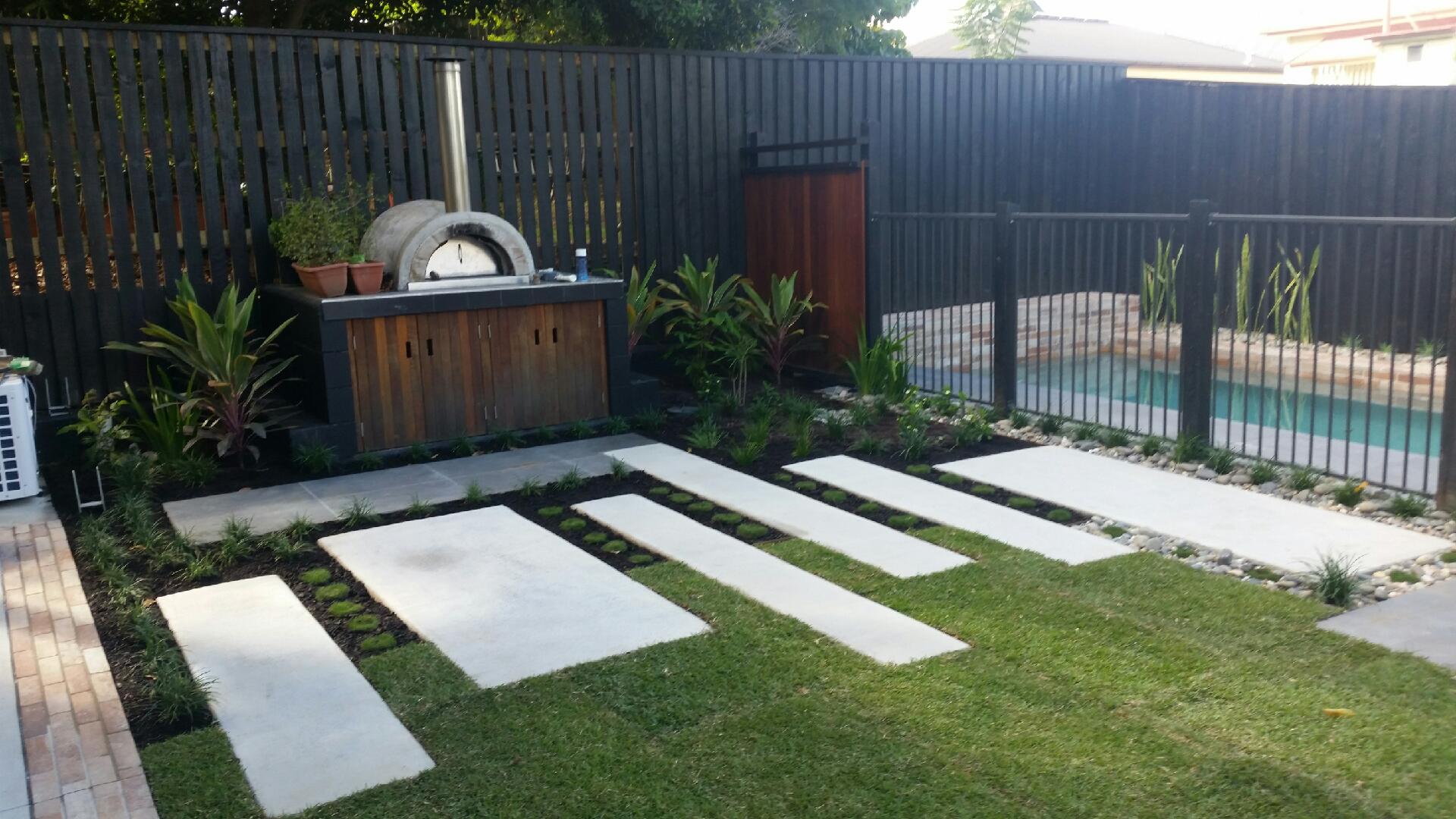
Good hardscape planning reduces runoff and water-logging issues after heavy rain. In addition, integrating natural materials such as stone, timber or gravel can enhance aesthetics while maintaining functionality. Retaining walls can be designed with built-in drainage channels to prevent pooling behind structures. Incorporating raised garden beds adjacent to paths or patios further protects plants from excess water while creating visual interest. Even small design tweaks, like slightly angling seating areas or planters, can encourage water to move naturally through the garden, reducing maintenance and promoting healthier soil. Thoughtful hardscape design ultimately supports both the beauty and resilience of your climate-smart garden.
6. Think in Microclimates
Your yard isn’t one single climate — it has microclimates:
- Shady nooks stay cooler and damper.
- Open sunny lawns dry out quickly.
- Patio edges might get reflective heat.
Design with these microclimates in mind — use shade trees on western edges, and choose sun-lovers for open spots. Observing these small climate zones throughout the day and across seasons can inform everything from plant selection to irrigation planning. For instance, plants in cooler, damp areas may need less frequent watering but more airflow to prevent fungal issues, while sun-exposed zones benefit from drought-tolerant species and mulch to retain moisture. Even small structures like pergolas, shade sails, or strategically placed screens can modify microclimates, creating comfortable outdoor living spaces while protecting delicate plants. Incorporating a mix of textures, heights, and densities in your plantings not only provides aesthetic variety but also supports pollinators and wildlife. By designing with microclimates in mind, you create a resilient, comfortable, and environmentally responsive garden that performs well year-round.
7. Create Flexible Outdoor Spaces
Landscaping isn’t just plants; it’s how you live outdoors:
- Build shaded entertaining zones to enjoy summer evenings.
- Use pergolas, shade sails or vine-covered structures to reduce heat loads.
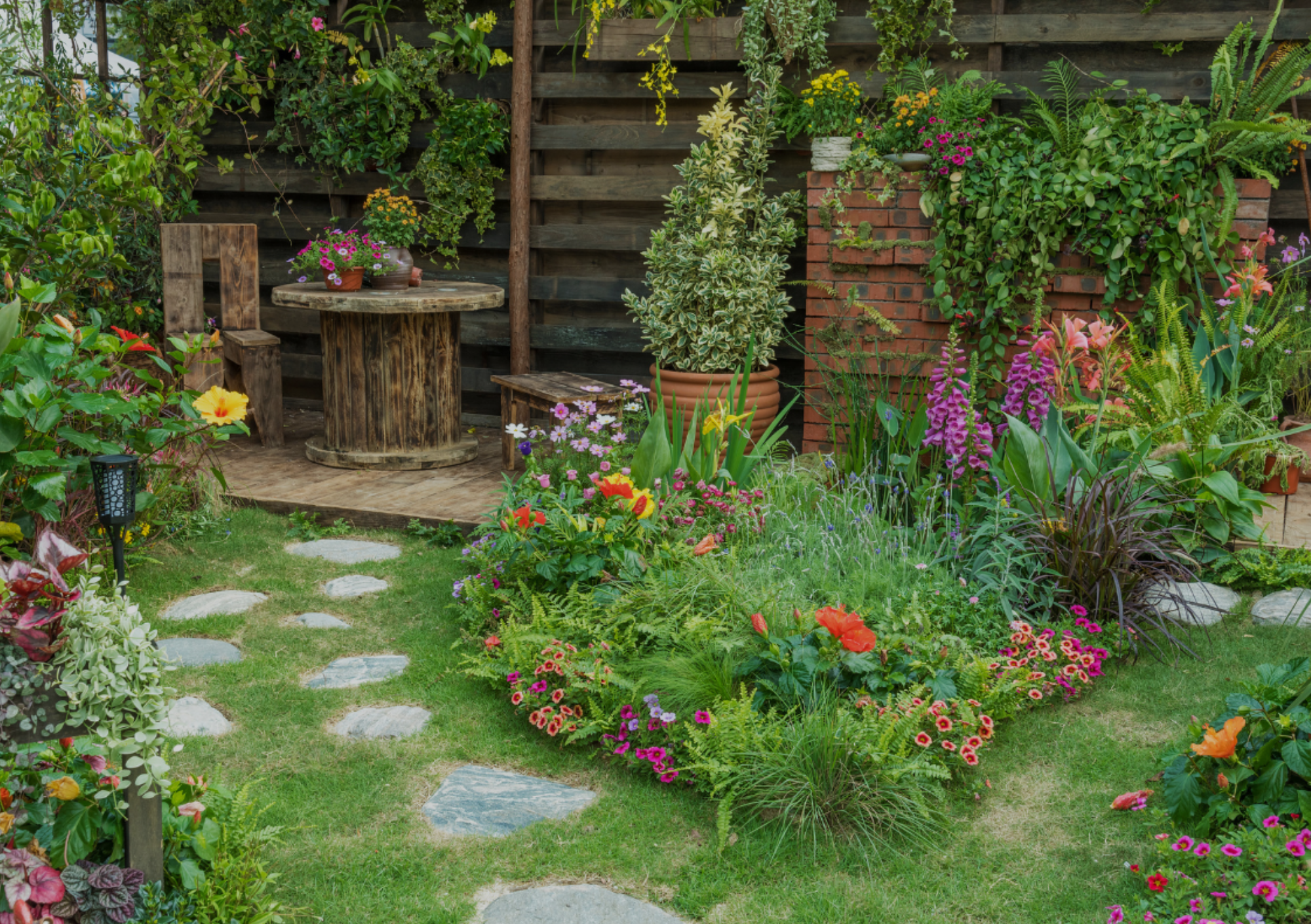
- Integrate seating areas near garden features to experience your landscape, not just look at it.
Final Thoughts: Smart Landscaping for SEQ
Climate-smart landscaping isn’t a fad – it’s a necessity for South East Queensland’s unique conditions. By planning around water, sun and soil, you get a garden that’s more beautiful, easier to maintain, and better for the environment.
If you’re ready to rethink your outdoor space to withstand SEQ’s weather and still look stunning all year, get in touch with Nigel and the team at Chandler Park Landscaping! We can help you plan and build a landscape that works with nature, not against it.
Comments are closed here.