
Pool Landscaping in Brisbane: Your Spring Pool Prep Planning Guide
August 31, 2026 2:12 pm -Get your pool surrounds ready for the swimming season with landscaping that’s safe, low-maintenance, and built for South East Queensland’s climate.
Spring is when I start getting the most calls about pool landscaping, and it makes perfect sense. The weather is warming up, swimming season is only weeks away, and homeowners across Brisbane and SEQ are looking at their pool surrounds thinking, this needs to look better before summer arrives. If that sounds like you, spring is genuinely the best time to plan, because it gives us enough runway to design, source materials, and plant before the pool gets used every day through the warmer months.
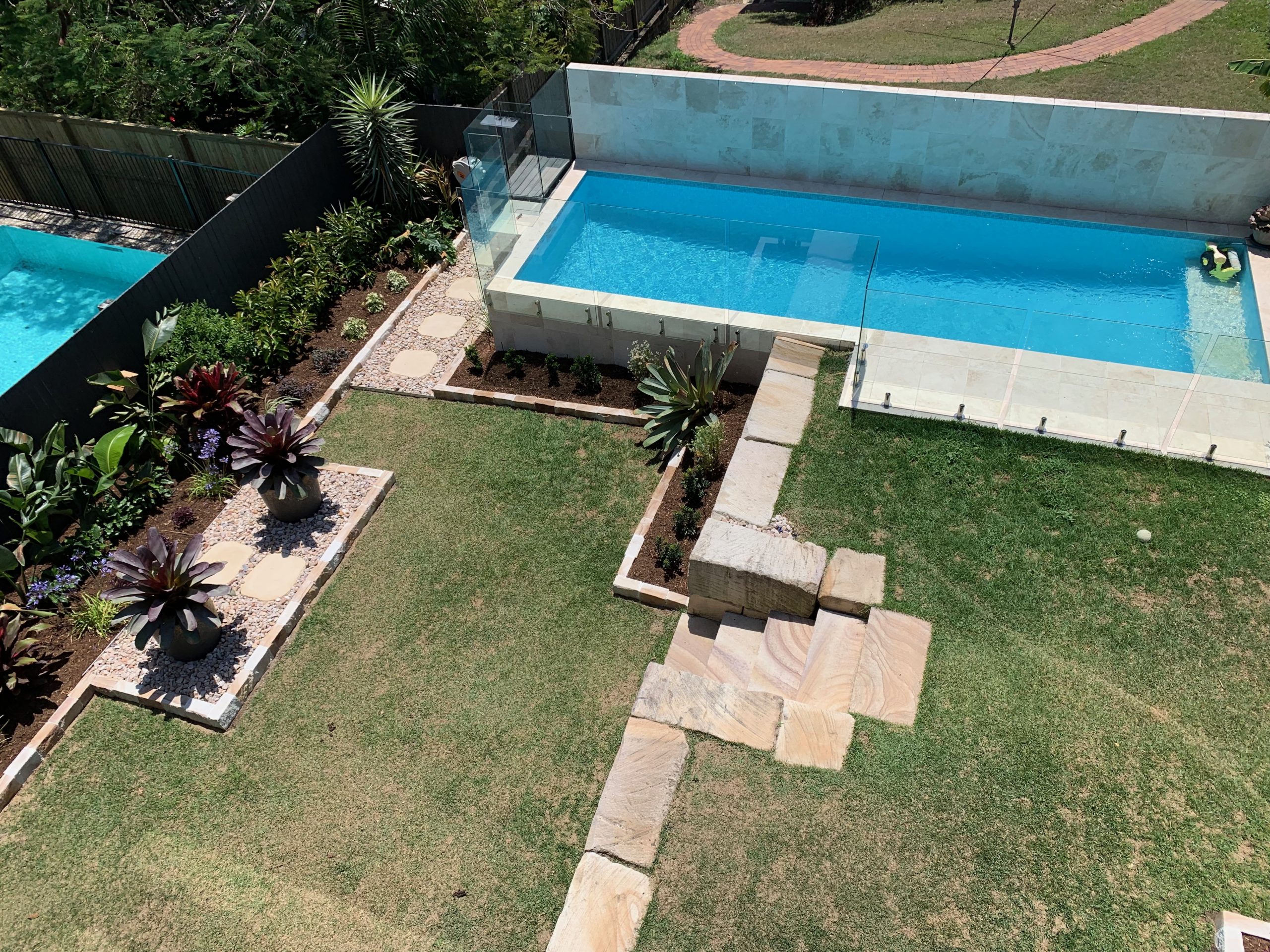
As a horticulturalist who has designed pool surrounds across everything from compact courtyard plunge pools to sprawling acreage properties, I know that pool landscaping is its own category of garden design. It’s not just about choosing pretty plants around the edge, it’s about safety compliance, material selection that copes with chlorine or salt splash-out, drainage, and planting that won’t drop leaves into your filter every five minutes. In this guide, I’ll take you through everything I consider when planning a pool landscaping project for a Brisbane backyard.
Why Spring Is the Ideal Time to Plan Your Pool Landscaping
Timing matters more with pool landscaping than almost any other garden project. Plan too late and you’ll be swimming next to bare dirt or half-finished paving all summer. Plan in spring, and by the time the real heat hits, your new plants have had a chance to establish root systems in warm soil, your paving and coping have cured properly, and any hardscaping dust or debris has settled well before the pool sees regular use.
Spring in SEQ also tends to bring more predictable weather than the sudden downpours of late summer, giving contractors a better run of dry days to complete paving, planting, and any fencing work without constant delays. If you’re planning a full pool area renovation, starting the design conversation now means construction can be finished well ahead of the school holidays and the first genuinely hot weekend of the year.
Timing matters more with pool landscaping than almost any other garden project. Plan too late and you’ll be swimming next to bare dirt or half-finished paving all summer. Plan in spring, and by the time the real heat hits, your new plants have had a chance to establish root systems in warm soil, your paving and coping have cured properly, and any hardscaping dust or debris has settled well before the pool sees regular use.
Before we talk about a single plant or paver, pool safety has to be the foundation of any pool landscaping plan in Queensland. Under Queensland legislation, all pools capable of holding more than 300mm of water need a compliant safety barrier, meeting the requirements of the Australian Standard AS1926.1, with a current pool safety certificate required for the property. This affects landscaping more than many homeowners realise. Climbable objects, including pot plants, retaining walls, built-in seating, or overhanging tree branches, cannot be placed within the non-climbable zone around the fence, and plant selection near the fence line needs to avoid anything that will eventually provide a foothold as it grows.
I always recommend involving a licensed pool safety inspector early in the design process for any project that touches the fence line, gate, or immediate pool surrounds, so the finished landscaping doesn’t accidentally compromise your compliance certificate.
Choosing Pool Surrounds and Coping Materials
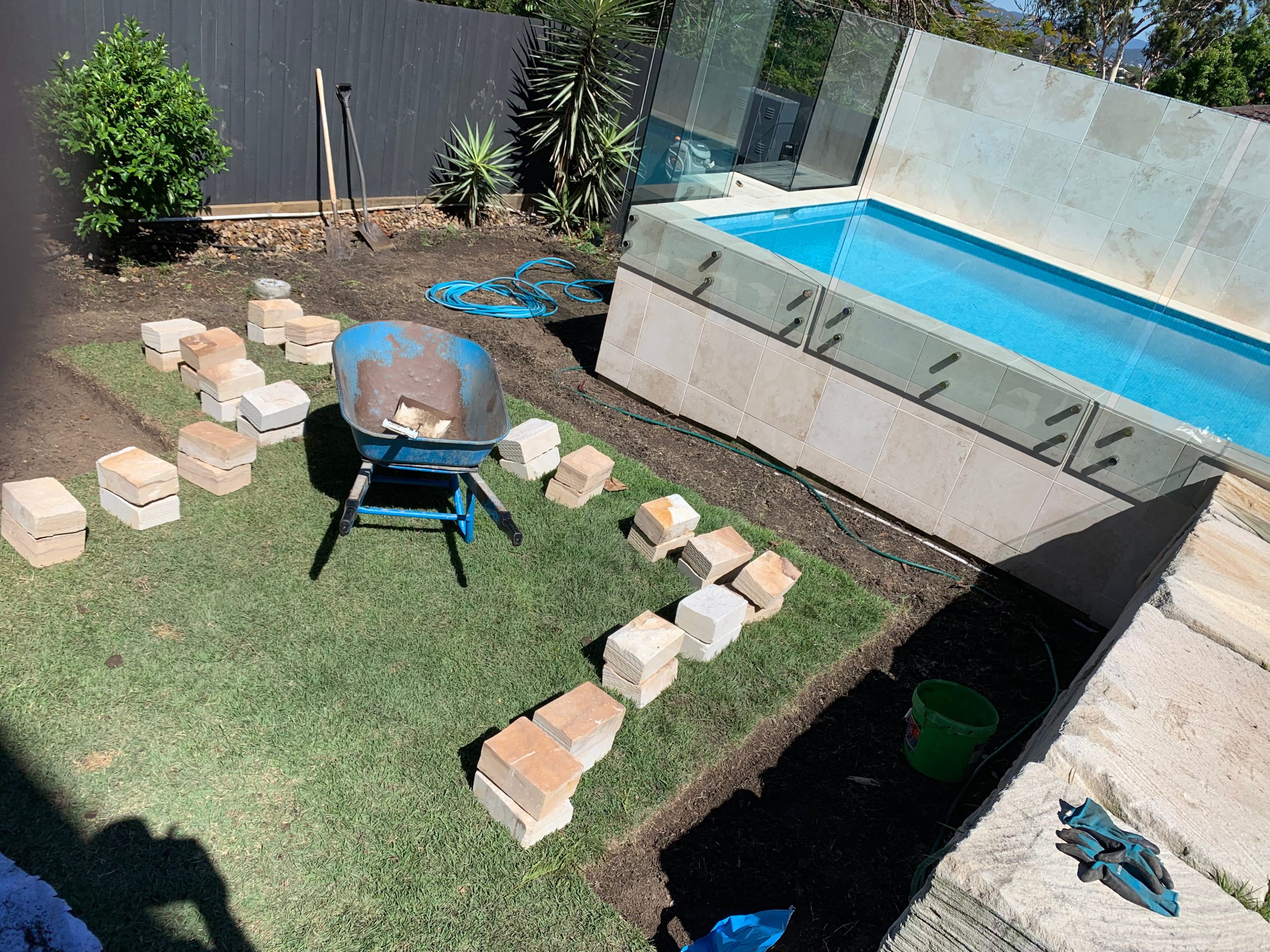
The paving around your pool takes more punishment than almost any other surface in the garden, from constant foot traffic and wet feet to chlorine or salt exposure and relentless Queensland sun. Getting this material choice right affects safety, comfort, and how much maintenance you’ll be doing every weekend. It’s worth thinking about coping and surround Hardscape choices the same way you would for any other hard-wearing entertaining area, but with an extra emphasis on slip resistance and heat.
Light-coloured, textured pavers stay considerably cooler underfoot in summer than dark stone or smooth tiles, which matters enormously when you’ve got bare feet running across the surround on a 35-degree day. Salt-tolerant materials are essential if you’re running a saltwater chlorination system, as some natural stones and lower-grade concrete pavers degrade quickly with ongoing salt exposure. A slip-rated finish, particularly on pool coping and any steps, isn’t optional in my view, regardless of how good a smoother finish might look in photos.
Poolside Planting: What Thrives and What to Avoid
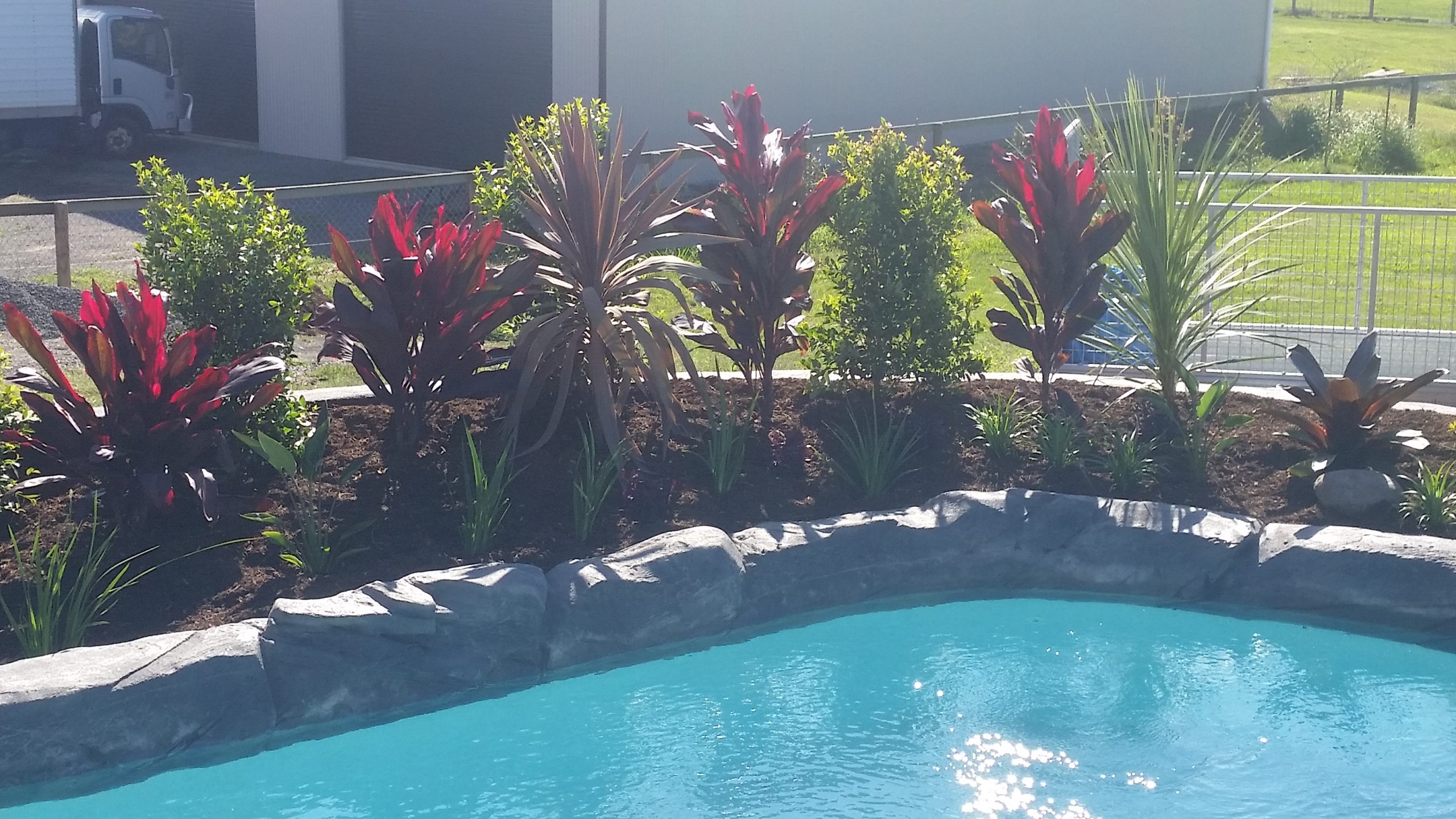
Plant selection around a pool comes with a specific set of rules that don’t apply to the rest of the garden. The goal is lush, resort-style greenery that doesn’t drop leaves, seeds, or flowers into the water, doesn’t attract bees to a barefoot zone, and won’t send invasive roots toward the pool shell or plumbing.
- Choose plants with a tidy, self-cleaning growth habit rather than deciduous species that shed heavily, which keeps your filter basket and skimmer far happier.
- Avoid plants with aggressive or shallow root systems near the pool shell, retaining edges, and paving, as roots seeking moisture can eventually cause structural movement.
- Steer clear of thorny or spiky plants directly beside pathways and lounging areas, and be mindful of highly attractive flowering plants close to bare feet if bees are a concern for your family.
- Look for plants that handle occasional splash-out of chlorinated or saline water without leaf burn, since poolside garden beds inevitably cop some overspray.
For the layered, tropical look so many of my clients want around a pool, I lean toward selecting adding vibrancy to your garden through hardy, low-litter species suited to our subtropical humidity, layered with structural planting further back from the pool edge where leaf drop is less of a concern.
Shade, Shelter, and Comfort Around the Pool
Queensland sun is intense, and a pool area without any shade quickly becomes unusable during the hottest part of the day. Pergolas, shade sails, and umbrellas positioned thoughtfully around the lounging zone give your family and guests somewhere to retreat without leaving the entertaining area altogether. If you’re planning a feature tree for shade, position it well clear of the pool itself, both to avoid future leaf litter and to keep root systems away from the shell and paving.
Shade structures also extend how many hours a day the space gets used, particularly through the shoulder months of spring and autumn when direct sun can still be intense despite cooler air temperatures.
Design Considerations for Compact Pools and Smaller Yards
Plenty of Brisbane properties are working with a smaller footprint, whether that’s a plunge pool on a townhouse block or a modest in-ground pool on a standard suburban lot. Good design becomes even more important in these situations, since every metre of surround and every plant needs to earn its place.
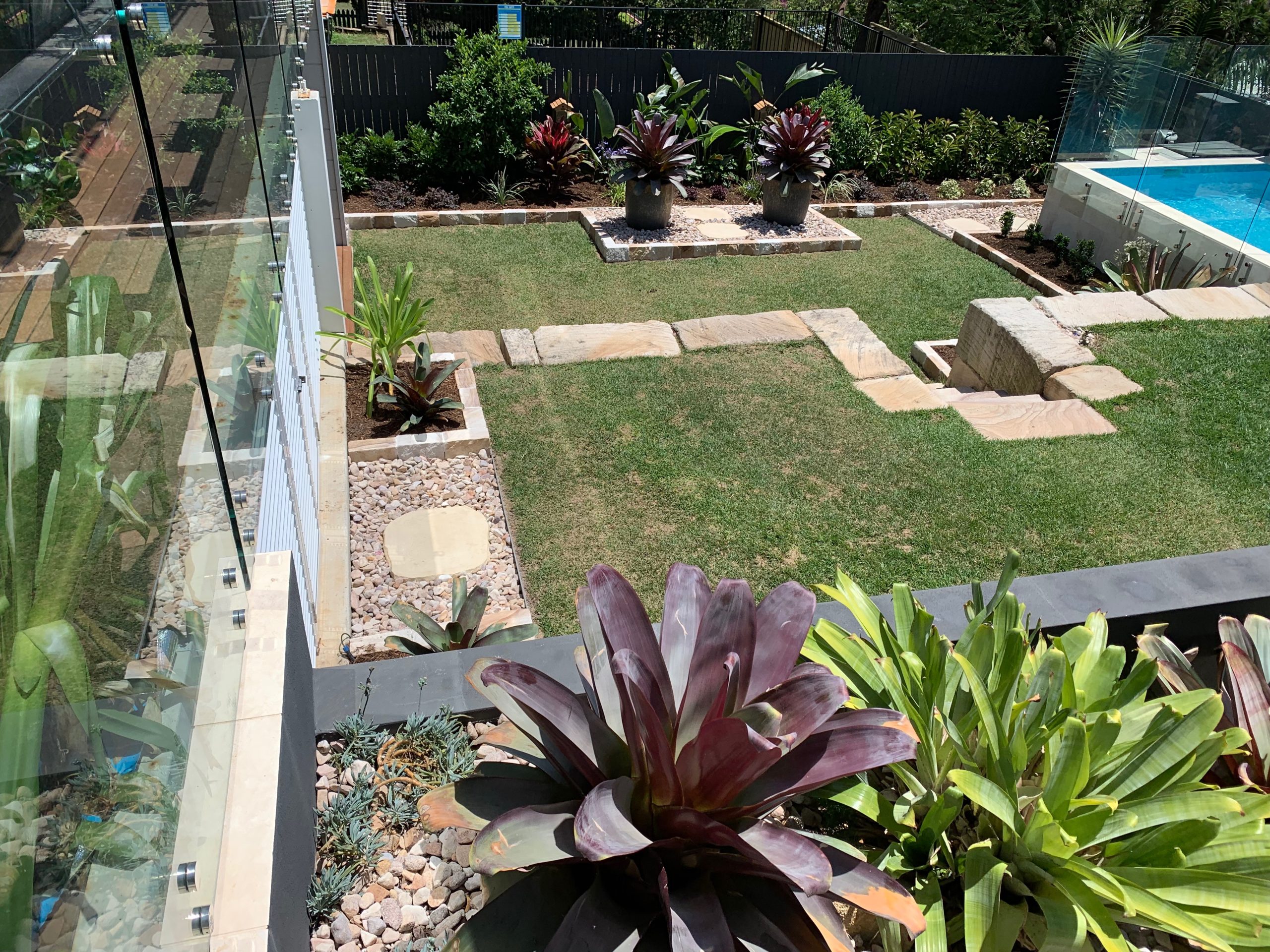
The same principles that guide us when The Art of Garden Design: Tailoring Your Space to Nature’s Needs apply directly to compact pool areas, layering height, using vertical greenery on boundary fences, and choosing multi-functional furniture to make a small pool zone feel considerably more generous than its actual dimensions suggest.
Safety, Compliance, and Working with a Licensed Professional
Garden lighting involves outdoor electrical work, and in Queensland, that means any mains-voltage wiring, new circuits, or permanent power connections must be installed or signed off by a licensed electrician. Low-voltage systems, run through a transformer, offer more flexibility and are generally safer for DIY-friendly elements like additional pathway lights, but the overall system design, cable runs, and transformer capacity are still best planned by professionals who understand both the electrical requirements and how the lighting will interact with your planting and hardscape over time.
At Chandler Park Landscaping, we coordinate the full outdoor project, working alongside licensed electricians to ensure your lighting plan is installed safely, meets Australian Standards, and is positioned correctly relative to garden beds, irrigation lines, and future plant growth.
Drainage and Water Management Around the Pool
Pool surrounds need to shed water efficiently, both from splash-out and from SEQ’s heavy spring and summer downpours. Paving should be laid with a gentle fall away from the pool itself, directing water into garden beds or stormwater drainage rather than pooling on the surround or running back into the pool, which can affect water chemistry. Garden beds immediately beside the pool benefit from good subsurface drainage too, since waterlogged soil combined with chlorine or salt exposure is a fast way to lose otherwise healthy plants.
Budgeting and Timeline for Your Spring Pool Project
Pool landscaping budgets vary enormously depending on scope, from a modest planting and mulch refresh around an existing pool surround, through to a full renovation involving new coping, paving, fencing-compliant screening, and shade structures. As a general rule, allowing six to eight weeks from initial design through to completion is realistic for a moderate pool surrounds project, though larger renovations involving structural paving or retaining work should be booked in even earlier in spring to guarantee completion before the first heatwave.
I always recommend getting your pool safety compliance inspection scheduled early too, since any remedial fencing work identified can then be built directly into the broader landscaping plan rather than becoming a separate, disruptive job later.
Final Thoughts: A Pool Area Ready for Summer
A well-planned pool landscape does more than look good in photos, it makes the space safer, easier to maintain, and genuinely enjoyable to spend time in from the very first warm weekend of the season. Getting the planning underway in spring gives us the time to get the safety compliance, materials, and planting right, so your pool area is ready to go the moment summer arrives.
If you’re thinking about refreshing your pool surrounds this spring, I’d love to help you plan it properly. Get in touch with Nigel and the team at Chandler Park Landscaping, and let’s design a pool area that’s as functional as it is beautiful.
Frequently Asked Questions
- When should I start planning pool landscaping for summer?
Spring is the ideal time to start, ideally allowing six to eight weeks or more from initial design to completion, so paving, planting, and any compliance work are finished well before peak swimming season.
- What plants should I avoid planting near a pool?
Avoid heavily deciduous or flower-dropping plants, species with aggressive or shallow root systems, and thorny or spiky plants near pathways and lounging areas, as these create maintenance issues and potential safety hazards.
- Are there rules about what I can plant near my pool fence in Queensland?
Yes, Queensland pool safety regulations under AS1926.1 restrict climbable objects, including some plants and pots, within the non-climbable zone around a pool safety barrier, so plant selection near the fence line needs to consider future growth and climbability.
- What is the best paving material for pool surrounds in Brisbane?
Light-coloured, textured, slip-rated pavers are generally best for Brisbane pool surrounds, as they stay cooler underfoot in summer and provide safer traction than smooth stone or tile when wet.
- Do I need a pool safety certificate before landscaping around my pool?
It’s best to involve a licensed pool safety inspector early in the design process for any landscaping that touches the fence line or immediate surrounds, so the finished result doesn’t compromise your existing or upcoming pool safety certificate.
- Can I have grass right up to the edge of my pool?
Turf can work close to a pool in some designs, but it needs a clean, well-defined edge and good drainage, as grass clippings and soil runoff can affect water quality and filter maintenance if not managed carefully.
- How do I stop leaves from constantly falling into my pool?
Position feature trees and heavily shedding plants well clear of the pool area, and choose low-litter, self-cleaning species for garden beds closer to the water’s edge to significantly reduce ongoing leaf and debris cleanup.
- Is salt water bad for plants around a saltwater pool?
Occasional splash-out from a saltwater pool can affect sensitive plants over time, so it’s best to choose salt-tolerant species for garden beds closest to the pool and position more sensitive planting further back.
- How can I add shade to my pool area without losing space?
Shade sails, pergolas, and well-positioned umbrellas are space-efficient ways to add shade to a pool area, and are generally preferable to large canopy trees planted too close to the pool shell and paving.
- What’s the best way to landscape a small pool or plunge pool area?
Layered planting, vertical greenery on boundary fences, and multi-functional furniture make the most of a compact pool area, using the same small-space design principles applied to courtyards and townhouse gardens.
Comments are closed here.